
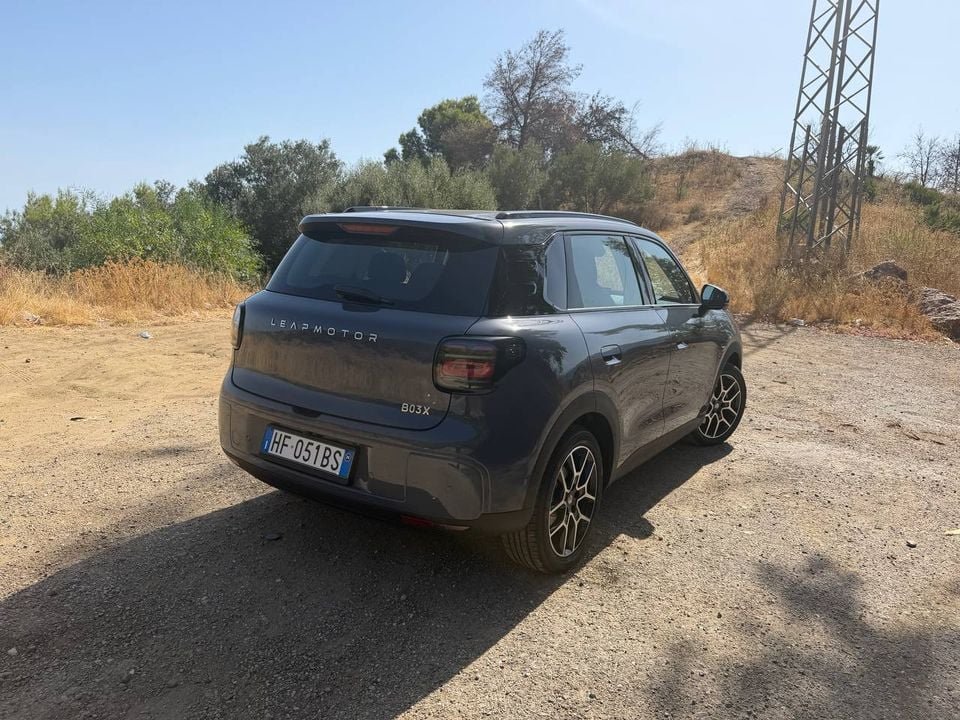
Leapmotor has confirmed preliminary vehicle-to-grid (V2G) testing has taken place in Australia, as it explores a potential collaboration with energy retailer Amber Electric.
The confirmation follows comments from Leapmotor’s global product planning team that Australia had become one of the company’s leading markets for the technology.
“Preliminary V2G testing has been undertaken in Australia as part of our ongoing evaluation of the technology and its potential applications,” a Stellantis Australia spokesperson told CarExpert.
“We are currently exploring opportunities for broader collaboration and further testing, including with Amber, and look forward to sharing more information in due course.”
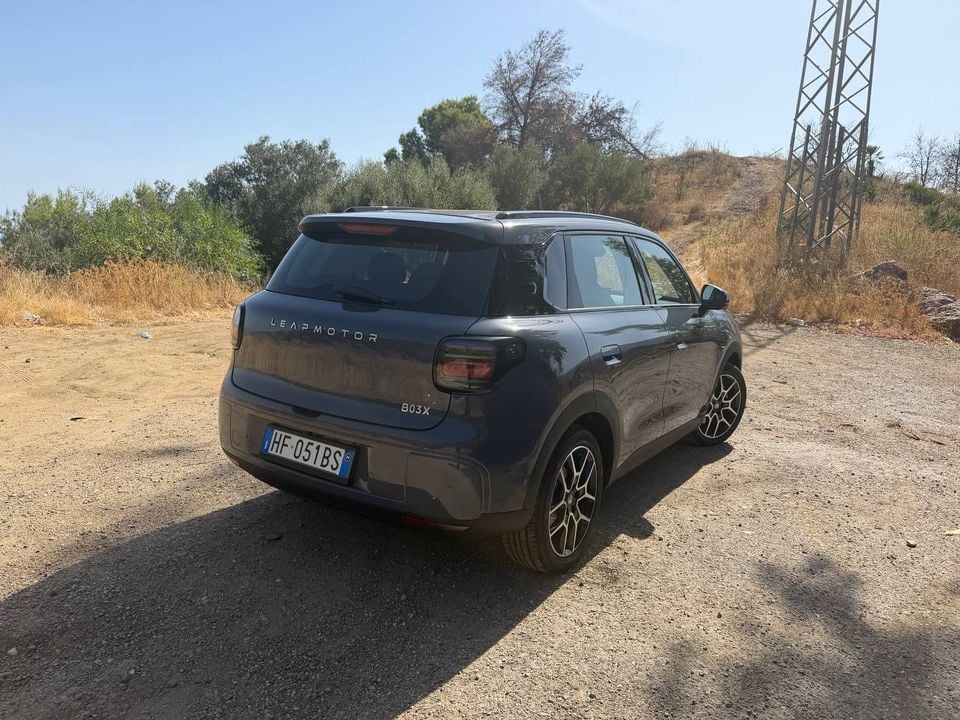
Leapmotor hasn’t identified the vehicle used in the testing, the bidirectional charger involved, where the testing occurred, or whether electricity was successfully exported into the grid.
It also hasn’t confirmed a customer trial, commercial launch or timetable for introducing vehicle-to-grid capability to its Australian vehicles.
The local statement is nevertheless the clearest confirmation yet that Leapmotor is actively testing the technology here, rather than simply assessing Australia as a possible future market.
V2G technology allows a compatible electric vehicle (EV) to send electricity from its battery back into the grid through an approved bidirectional charger.
That allows an EV to charge when electricity is cheap or renewable generation is high, then potentially export energy during periods of stronger demand and higher prices.
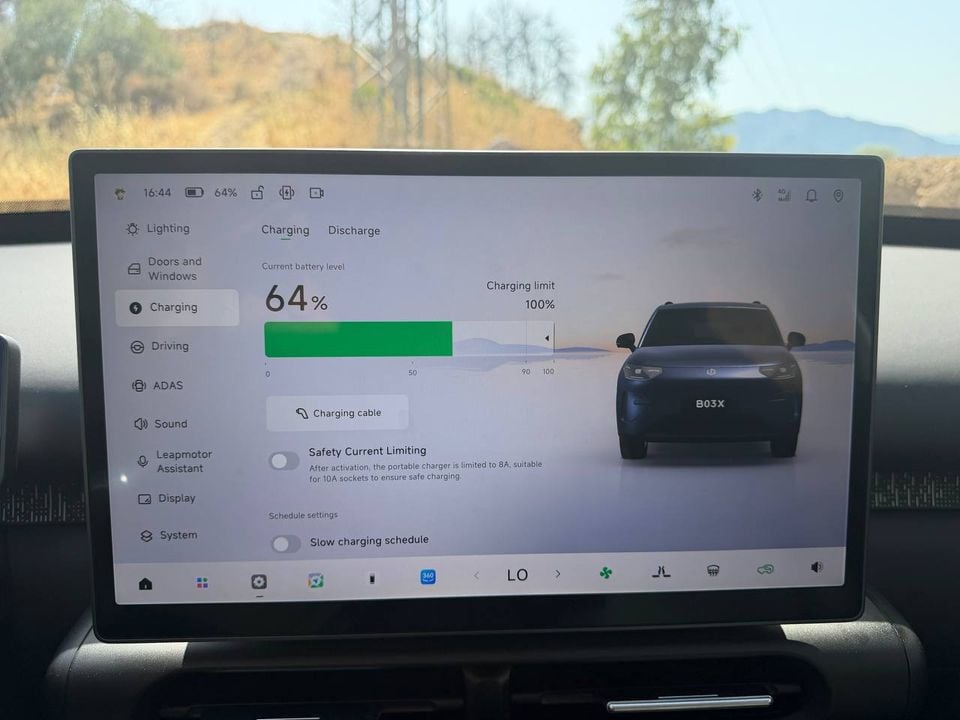
Speaking with media including CarExpert during the international launch of the Leapmotor B03X in Spain, Leapmotor global product planning executive Tianyue Zhong identified Australia as the company’s leading opportunity for V2G.
“Globally, Australia is number one,” said Mr Zhong.
He pointed to Australia’s high uptake of rooftop solar and the amount of household-generated electricity that can’t always be used or exported when it is produced.
Mr Zhong said Leapmotor had begun preliminary V2G work locally and was also considering a subsequent pilot program in the UK.
He identified battery warranty coverage and compatibility with different electricity networks as two of the main issues still to be resolved.
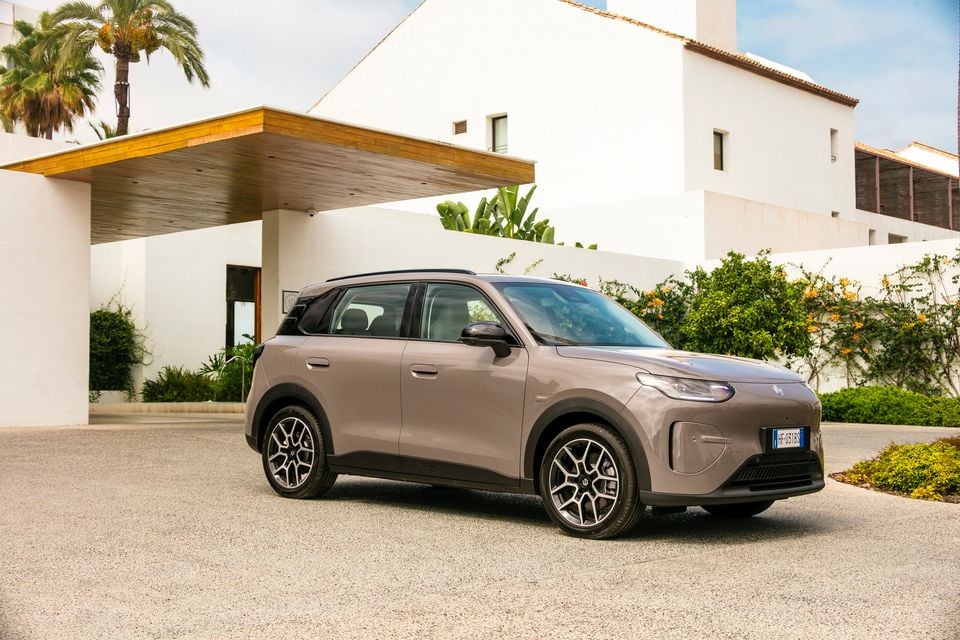
Those questions are important because supplying energy to a house or the power grid adds charging and discharging cycles that don’t appear on the vehicle’s odometer.
The Australian Government says a vehicle is only verified as V2G-capable when its manufacturer provides warranty and servicing support for that use. It also warns that using unsupported bidirectional-charging equipment could affect battery or charging-system warranty coverage.
Leapmotor hasn’t yet confirmed how energy exported through V2G would be treated under its Australian battery warranty, or whether limits would be placed on the number of cycles or amount of energy supplied.
The company also hasn’t confirmed whether its preliminary testing is connected to Amber’s existing Australian Renewable Energy Agency-backed program.
Amber is working to establish Australia’s largest residential V2G rollout, after ARENA provided a further $13.6 million in funding in May 2026, taking total support for the project to $16.8 million.
The expanded project is intended to deploy V2G capability across 1000 Australian homes and smart charging across up to 2000 households.
Its next stage is planned to include at least four V2G charging solutions and four supported battery-electric models, although Amber and Leapmotor haven’t confirmed the Chinese automaker will be one of them.
Amber’s system is intended to automatically manage vehicle charging and energy exports according to electricity prices and grid conditions.
The aim is to charge an EV when electricity is relatively inexpensive, then potentially sell energy back when wholesale prices rise, while ensuring the vehicle retains sufficient charge for the owner’s driving requirements.
There is an important distinction between vehicle-to-grid and the vehicle-to-load (V2L) function already offered by many electrified vehicles in Australia, including some Leapmotor models.

The international B03X specification lists V2L, which allows the vehicle’s battery to power individual electrical appliances through a compatible adaptor. It doesn’t list V2G capability.
V2G requires additional vehicle software, compatible bidirectional charging hardware, grid approval, energy-retailer integration, and formal support from the automaker.
Leapmotor’s statement doesn’t confirm the B03X was involved in the Australian testing, despite the technology being discussed during its international launch.
It could instead involve another model or development vehicle not currently offered to Australian customers.
Leapmotor’s local lineup now includes battery-electric and range-extender versions of the B10 and C10 SUVs, along with the electric B05 hatch, while the B03X is expected to join the range after appearing in Australian Government certification documents.

None of these models have yet been formally advertised in Australia with V2G capability.
The next step will be confirming which Leapmotor vehicles can technically support bidirectional grid charging, whether existing cars contain the required hardware, and how battery warranty coverage will work.
For now, Leapmotor has moved beyond talking about Australia as a promising V2G market.
Testing has started, and Amber is now part of the discussion.