• Amagi slides in India debut, as cloud TV software firm tests investor appetite

    Amagi Media Labs, a Bengaluru-headquartered company that sells cloud software used to run and monetize TV and streaming channels, saw its shares slide in its India market debut after raising ₹17.89 billion (about $196 million) in an IPO — a deal that stands out in a market still dominated by consumer companies going public. Shares opened at ₹318 on Wednesday, a 12% discount to the ₹361 issue price, before climbing to ₹356.95 and later trading around ₹348.85, valuing Amagi at ₹75.44 billion (around $825.81 million), according to the National Stock Exchange. Amagi was last valued at $1.4 billion in a…

  • Snap reaches settlement in social media addiction lawsuit

    Days ahead of a scheduled trial, social media company Snap has settled a lawsuit accusing the platform of causing social media addiction, according to reports from multiple outlets. According to the New York Times, the settlement was announced Tuesday in the California Superior Court in Los Angeles County. The lawsuit against Snap was brought by a 19-year-old known in court documents as K.G.M., accusing the social media app of designing algorithms and features that caused addiction and mental health issues. The terms of the settlement were not disclosed. The lawsuit also names other platforms, including Meta, YouTube, and TikTok. No…

  • Luminar founder Austin Russell agrees to accept subpoena in bankruptcy case

    Luminar founder and former CEO Austin Russell has agreed to accept an electronic subpoena for information on his phone related to the company, as part of the lidar maker’s ongoing bankruptcy proceeding, per a new filing Tuesday. Russell now has seven days to file a motion to quash the subpoena, or object to it — otherwise he has 14 days to comply, according to the filing. The agreement comes two weeks after Luminar’s lawyers accused Russell of avoiding the subpoena by turning away process servers at the gate to his Florida mansion. Russell had argued he was unwilling to turn…

  • X open sources its algorithm while facing a transparency fine and Grok controversies

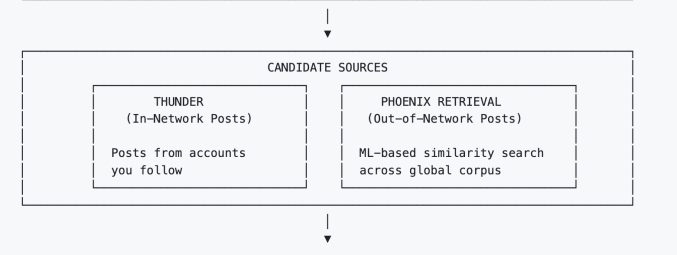
    In 2023, the website then known as Twitter partially open sourced its algorithm for the first time. In those days, Tesla billionaire Elon Musk had only recently acquired the platform, and he claimed to be on a mission to restructure the social media platform to make it more transparent. However, the algorithm’s code release was swiftly critiqued for being “transparency theater,” with critics noting that it was “incomplete,” and that it didn’t reveal much about the inner workings of the organization, or why the code worked the way that it did. Now the site (rebranded as X) has open sourced…

  • Netflix to redesign its app as it competes with social platforms for daily engagement

    As YouTube, TikTok, and Instagram continue to dominate mobile viewing, Netflix is rethinking how its app fits into a social-first video landscape. During its fourth-quarter earnings call on Tuesday, the company announced plans to revamp its mobile app and expand its short-form video feature, which it mentions could help promote the new slate of original video podcasts it unveiled last week. Set to launch later in 2026, Netflix’s redesigned mobile app is intended to “better serve the expansion of our business over the decade to come,” according to co-CEO Greg Peters. The update will act as a foundation for ongoing…

  • Bolna nabs $6.3M from General Catalyst for its India-focused voice orchestration platform

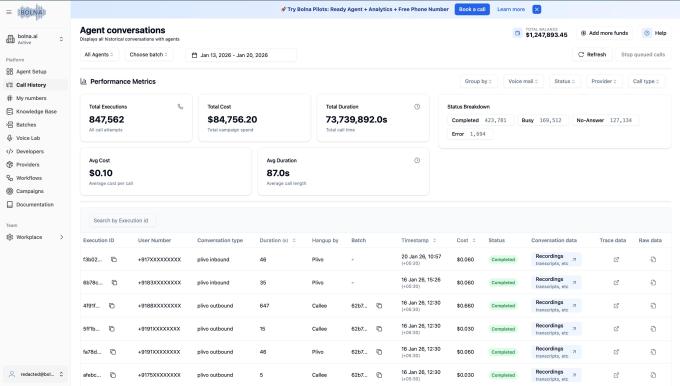
    Industry reports and the growth of voice model companies in the Indian market suggest that there is a growing demand for voice AI solutions in the country. Voice is a popular medium for communication among people and businesses in India. That’s why enterprises and startups are eager to use voice AI to be more efficient at customer support, sales, customer acquisition, hiring, and training. But recognizing market demand is one thing — proving businesses will pay is another. Y Combinator rejected the application from Bolna, a voice orchestration startup built by Maitreya Wagh and Prateek Sachan, five times before finally…

  • Anthropic’s CEO stuns Davos with Nvidia criticism

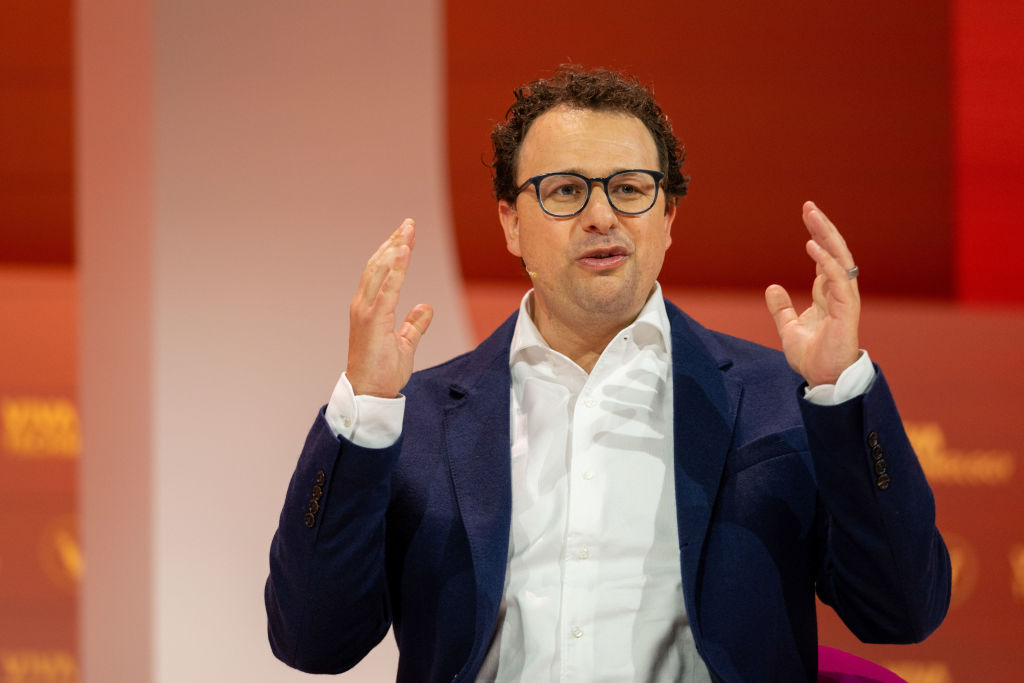
    Last week, after reversing an earlier ban, the U.S. administration officially approved the sale of Nvidia’s H200 chips, along with a chip line by AMD, to approved Chinese customers. Maybe they aren’t these chipmakers’ shiniest, most advanced chips, but they’re high-performance processors used for AI, making the export controversial. And at the World Economic Forum in Davos on Tuesday, Anthropic CEO Dario Amodei unloaded on both the administration and the chip companies over the decision. The criticism was particularly notable because one of those chipmakers, Nvidia, is a major partner and $10 billion investor in Anthropic. “The CEOs of these…

  • One-time hot insurance tech Ethos poised to be first tech IPO of the year

    Ethos Technologies has priced its initial public offering and the expectation is that it will go public on Thursday, making it one of the first tech IPOs of the year.  If it lands in its current price range of $18 to $20 a share, it will enter the day valued at $1.26 billion on the high end — raising $102.6 million for itself and about $108 million for its selling shareholders. Should investor interest be high, it could wind up pricing higher. That means a bigger valuation and more money raised. The company, which offers software to sell life insurance, is…

  • In an effort to protect young users, ChatGPT will now predict how old you are

    As concern for AI’s impact on young people continues to mount, OpenAI has introduced an “age prediction” feature into ChatGPT that is designed to help identify minors and put sensible content constraints on their conversations. OpenAI has been heavily criticized in recent years for the impacts that ChatGPT can have on children. A number of teen suicides have been linked to the chatbot and, like other AI vendors, OpenAI has also been criticized for allowing ChatGPT to discuss sexual topics with young users. Last April, the company was forced to address a bug that had allowed its chatbot to generate…

  • Elon Musk says Tesla’s restarted Dojo3 will be for ‘space-based AI compute’

    Elon Musk said over the long weekend that Tesla aims to restart work on Dojo3, the electric vehicle company’s previously abandoned third-generation AI chip. Only this time, Dojo3 won’t be aimed at training self-driving models on Earth. Instead, Musk says it will be dedicated to “space-based AI compute.” The move comes five months after Tesla effectively shut down its Dojo effort. The company disbanded the team behind its Dojo supercomputer following the departure of Dojo lead Peter Bannon. Around 20 Dojo workers also left to join DensityAI, a new AI infrastructure startup founded by former Dojo head Ganesh Venkataramanan and…