• Who gets to inherit the stars? A space ethicist on what we’re not talking about

    In October, at a tech conference in Italy, Amazon and Blue Origin founder Jeff Bezos predicted that millions of people will be living in space “in the next couple of decades” and “mostly,” he’d said, “because they want to,” because robots will be more cost-effective than humans for doing the actual work in space. No doubt that’s why my ears perked up when, at TechCrunch Disrupt in San Francisco weeks later, I found an on-stage prediction by Will Bruey, the founder of space manufacturing startup Varda Space Industries, so striking. Rather than robots doing the work as Bezos envisioned, Bruey…

  • Trump administration’s legal setbacks are good news for offshore wind — and the grid

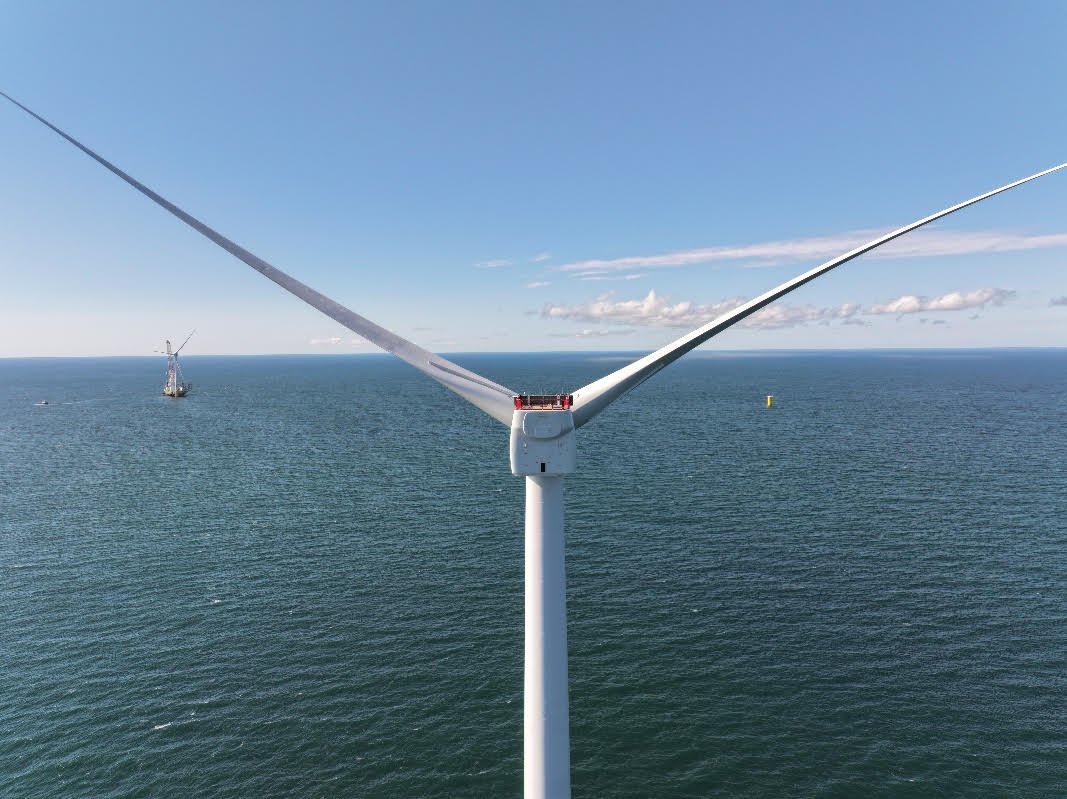
    The Trump administration suffered a series of legal setbacks this week after judges allowed work to restart on several offshore wind farms under construction on the East Coast. The Department of the Interior had ordered a stop to five projects totaling 6 gigawatts of generating capacity in December, citing national security concerns. The judicial orders will allow three projects to resume construction: Revolution Wind off Rhode Island, Empire Wind off New York, and Coastal Virginia Offshore Wind off — you guessed it — Virginia. The developers each filed lawsuits shortly after the Trump administration issued the stop work order, which had been…

  • Oshen built the first ocean robot to collect data in a Category 5 hurricane 

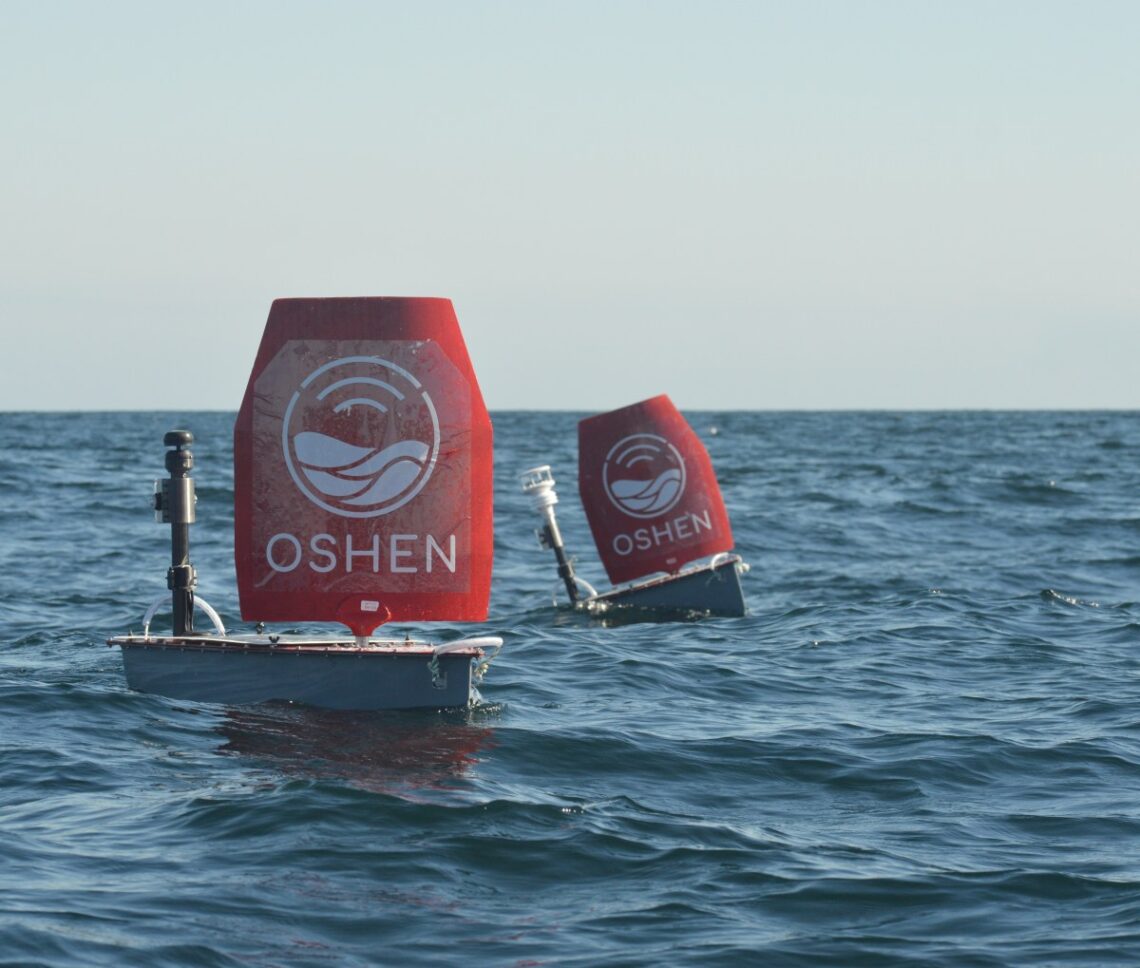
    Anahita Laverack was set on becoming an aerospace engineer, but her career took a different turn after a realization at an autonomous robotics challenge inspired her to launch Oshen, a company that builds fleets of robots that collect ocean data. In 2021, Laverack, a storied sailor, decided to build and enter a robot in the Microtransat Challenge, a competition where participants build and send autonomous sail-powered micro-robots across the Atlantic Ocean. She, like everyone else that has tried this challenge, was unsuccessful. “I realized half the reason that all of these attempts were failing is, number one, obviously it’s hard…

  • Italy investigates Activision Blizzard for pushing in-game purchases

    Italy has launched two investigations into Microsoft’s Activision Blizzard, alleging the company has engaged in “misleading and aggressive” sales practices for its popular smartphone games Diablo Immortal and Call of Duty Mobile. The country’s competition regulator, Autorità Garante della Concorrenza E Del Mercato (AGCM), said the investigations focus on the use of design elements to induce users, particularly children, into playing for long periods, and make in-game purchases by urging them to not miss out on rewards. “These practices, together with strategies that make it difficult for users to understand the real value of the virtual currency used in the…

  • Bluesky rolls out cashtags and LIVE badges amid a boost in app installs

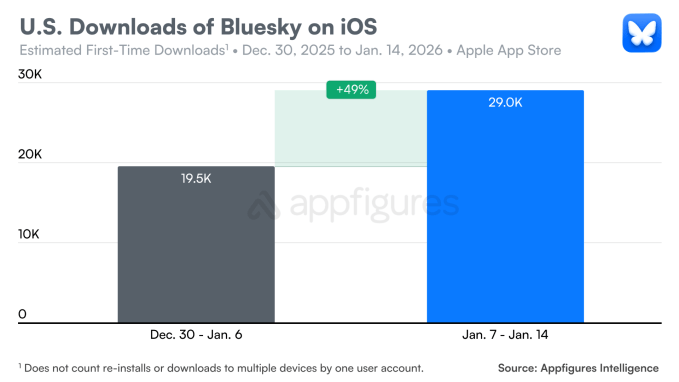
    Social network Bluesky is updating its app to allow anyone to share when they’re livestreaming on Twitch, and adding specialized hashtags, known as cashtags, for discussing publicly traded stocks. The new features could potentially help Bluesky capitalize on a recent boost in new installs, which have arrived in the days after the X deepfake news went mainstream. On X, users were asking its integrated AI bot Grok to turn photos of real women and sometimes minors into sexualized images without consent. This week, California’s attorney general opened an investigation into xAI’s chatbot over the proliferation of the “nonconsensual sexually explicit material.” In…

  • YouTube relaxes monetization guidelines for some controversial topics

    YouTube is updating its advertiser-friendly content guidelines to allow more videos on controversial issues to earn full ad revenue, as long as they’re dramatized or discussed in a non-graphic manner. These controversial topics include self-harm, abortion, suicide, and domestic and sexual abuse. YouTube notes that content on child abuse or eating disorders will remain ineligible for full monetization. YouTube announced the change this week in a video on its Creator Insider channel. “In the past, the degree of graphic or descriptive detail was not considered a significant factor in determining advertiser friendliness, even for some dramatized material,” YouTube explained. “Consequently,…

  • The AI healthcare gold rush is here

    AI companies are clustering around healthcare and fast.  In just the past week, OpenAI bought health startup Torch, Anthropic launched Claude for healthcare, and Sam Altman-backed MergeLabs closed a $250 million seed round at an $850 million valuation. The money and products are pouring into health and voice AI, but so are concerns about hallucination risks, inaccurate medical information, and massive security vulnerabilities in systems handling sensitive patient data.  Watch as Equity podcast hosts Kirsten Korosec, Anthony Ha, and Sean O’Kane dig into why the AI world is suddenly obsessed with health care, what other products can expect an AI-makeover, and more.  Subscribe to Equity on YouTube, Apple Podcasts, Overcast, Spotify and all the casts. You also…

  • Trump administration wants tech companies to buy $15B of power plants they may not use

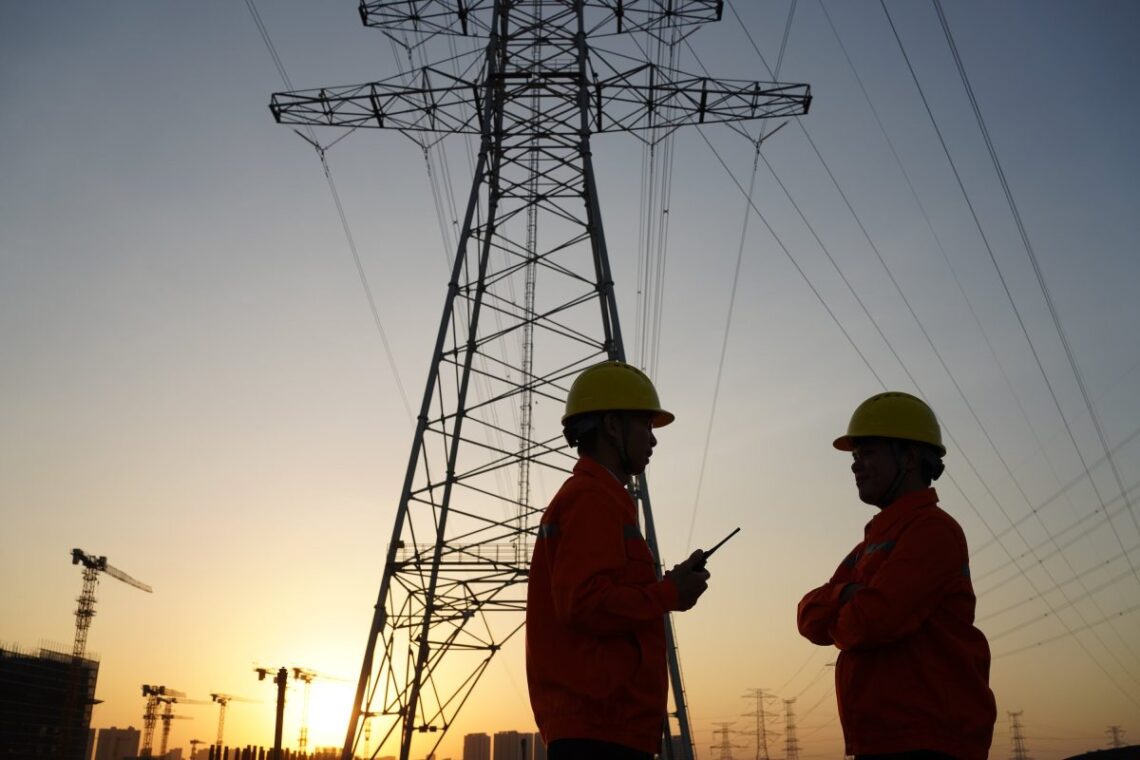
    The Trump administration wants the largest electricity grid to add $15 billion worth of new power generation — and he wants tech companies to pay for it, even if they don’t need the capacity. The White House and the governors of several states in the region want grid operator PJM to hold an auction for 15-year contracts for new generating capacity. The administration said it wants tech companies to bid on the contracts even if they don’t ultimately need the power for their data centers. Demand from data centers is expected to increase nearly threefold over the next decade. PJM said…

  • Musk wants up to $134B in OpenAI lawsuit, despite $700B fortune

    Elon Musk wants a jaw-dropping $79 billion to $134 billion in damages from OpenAI and Microsoft, claiming the AI company defrauded him by jettisoning its nonprofit mission, Bloomberg first reported. The figure comes from expert witness C. Paul Wazzan, a financial economist whose bio says he has been deposed nearly 100 times and testified at trial more than a dozen times in complex commercial litigation cases. Wazzan, who specializes in valuation and damages calculations in high-stakes disputes, determined that Musk is entitled to a hefty portion of OpenAI’s current $500 billion valuation based on his $38 million seed donation when…

  • Supreme Court hacker posted stolen government data on Instagram

    A hacker posted the personal data of several of his hacking victims on his Instagram account, @ihackthegovernment, according to a court document. Last week, Nicholas Moore, 24, a resident of Springfield, Tennessee, pleaded guilty to repeatedly hacking into the U.S. Supreme Court’s electronic document filing system. At the time, there were no details about the specifics of the hacking crimes Moore was admitting to.  On Friday, a newly filled document — first spotted by Court Watch’s Seamus Hughes — revealed more details about Moore’s hacks. Per the filing, Moore hacked not only into the Supreme Court systems, but also the…