• Meta-backed Hupo finds growth after pivot to AI sales coaching from mental wellness

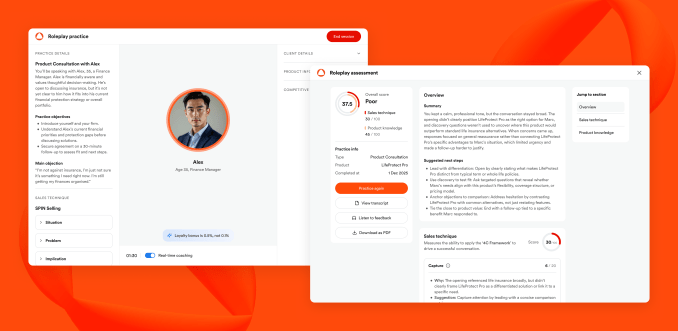
    When Justin Kim, co-founder and CEO of Hupo, first launched his company about four years ago, it wasn’t selling AI-powered sales coaching to banks, finance services, or insurance companies. The company originally began as Ami, a mental wellness platform focused on how people manage pressure, form habits, and change behavior over time. “I’ve always been a big sports fan – basketball, football, Formula One, MMA – and what draws me to all of them is performance. In my free time, I’ve spent a lot of time thinking about what actually drives human performance. People are very different, but across sports,…

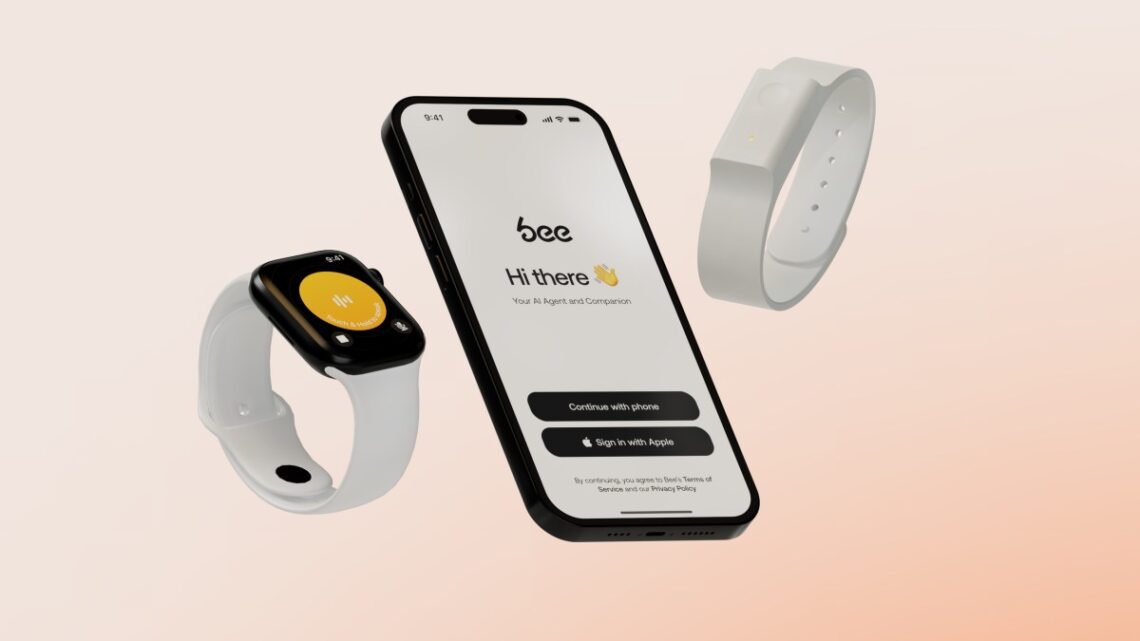
  • Hands-on with Bee, Amazon’s latest AI wearable

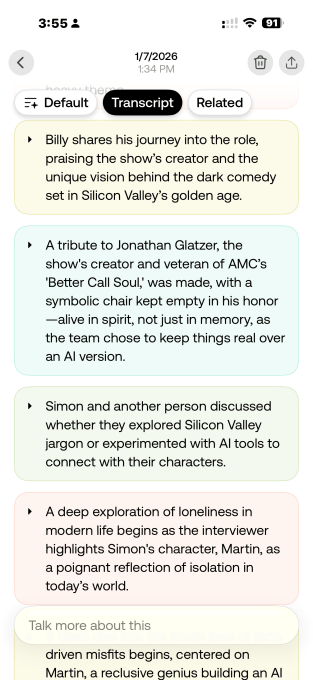
    In early tests with a review unit of Bee, we found the device itself was easy to use. It’s just a press of a button to turn recording on or off. In the app, you can configure whether a double press bookmarks a section of the conversation, processes the current conversation, or both, and you can set whether a press and hold gesture lets you leave a voice note or chat with the AI assistant. (Bee’s companion app currently reminds you to enable voice notes, so we did.) Like many other AI products and services, such as Plaud, Granola, Fathom,…

  • OpenAI buys tiny health records startup Torch for, reportedly, $100M

    OpenAI announced it has acquired a tiny startup called Torch for an undisclosed sum. An unnamed source told The Information that OpenAI paid $100 million worth of equity for the startup. Torch’s four-person team is joining OpenAI, both companies said. Torch was working on an app that combined all of a person’s medical information for AI use from a range of sources such as doctor visits, lab tests, wearables, and other portals, including consumer wellness tests and the like. The Torch team called their tech “a medical memory for AI, unifying scattered records into a context engine.” The Torch team…

  • More than 100 new tech unicorns were minted in 2025 — here they are

    With AI igniting an investor frenzy, every month, more startups obtain unicorn status.  Using data from Crunchbase and PitchBook, TechCrunch tracked down the VC-backed startups that became unicorns so far this year. While most are AI-related, a surprising number are focused in other industries like satellite space companies Loft Orbital and blockchain-based trading site Kalshi.    This list will be updated throughout the year, so check back and see the latest powerhouse startups that are now worth over $1 billion.  December    Heven Aerotech —$1 billion: This startup, founded in 2019, is creating hydrogen powered drones. It last raised a $100 million Series B, and…

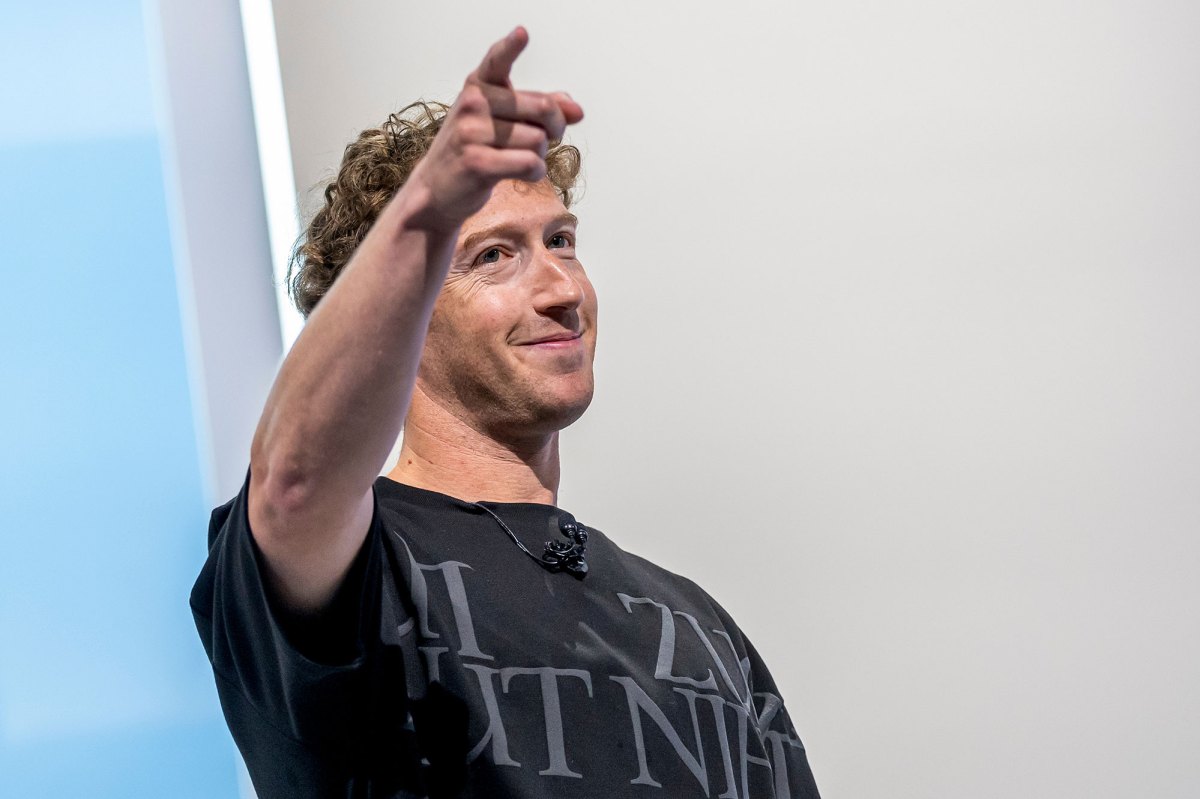
  • Mark Zuckerberg says Meta is launching its own AI infrastructure initiative

    When Meta announced capital expenditure projections last year, the company made it known that it planned to spend big to build out capacity for its AI business. “We expect that developing leading AI infrastructure will be a core advantage in developing the best AI models and product experiences,” said Susan Li, Meta CFO, during an earnings call last summer. Now the tech giant appears to be making good on that promise. On Monday, CEO Mark Zuckerberg announced the launch of Meta Compute, a new initiative designed to bolster the tech giant’s AI infrastructure. Zuckerberg said the company intended to drastically…

  • Why Amazon bought Bee, an AI wearable

    Smart rings, smart screens, smart TVs, smart pins, smart … ice cube makers? Sure, why not! AI was everywhere at this year’s Consumer Electronics Show (CES) in Las Vegas, where companies large and small were showing off how they’re bringing AI to more devices. For Amazon, CES was a time to show off its newest acquisition in the space: Bee, an AI device that can be worn as a clip-on pin or a bracelet. Amazon already has an entry in the AI consumer devices space with Alexa, whose upgraded AI-powered version, Alexa+, can run on 97% of the hardware devices Amazon…

  • Anthropic announces Claude for Healthcare following OpenAI’s ChatGPT Health reveal

    On the heels of OpenAI’s ChatGPT Health reveal, Anthropic announced on Sunday that it’s introducing Claude for Healthcare, a set of tools for providers, payers, and patients. Like ChatGPT Health, Claude for Healthcare will allow users to sync health data from their phones, smart watches, and other platforms (both OpenAI and Anthropic have said that their models won’t use this data for training). But Anthropic’s product promises more sophistication than ChatGPT Health, which seems as though it will be more focused on a patient-side chat experience as it rolls out gradually. Though some industry professionals are concerned about the role…

  • Anthropic’s new Cowork tool offers Claude Code without the code

    On Monday, Anthropic announced a new tool called Cowork, designed as a more accessible version of Claude Code. Built into the Claude Desktop app, the new tool lets users designate a specific folder where Claude can read or modify files, with further instructions given through the standard chat interface. The result is similar to a sandboxed instance of Claude Code, but requires far less technical savvy to set up. Currently in research preview, Cowork is only available to Max subscribers, with a waitlist available for users on other plans. The new tool is inspired in part by the growing number…

  • Fintech firm Betterment confirms data breach after hackers send fake crypto scam notification to users

    Automated investment platform Betterment has confirmed that hackers broke into some of its systems last week and accessed the personal information of an undisclosed number of its customers.  In an email sent on Monday, which TechCrunch has seen, Betterment said that hackers gained access to some company systems on January 9 by way of a social engineering attack, which involved “third-party platforms” that the company uses for marketing and operations.  The company said customer names, email addresses and postal addresses, phone numbers, and dates of birth were compromised in the attack. With this access, hackers were able to send a…

  • Developers have made $550 billion on Apple’s App Store since 2008

    Apple services had a “record-breaking year,” according to a blog post by senior vice president Eddy Cue. In 2025, Apple had 850 million average weekly App Store users (up from 813 million in 2024), over $100 billion in Apple Pay merchant sales, and a 36% increase in monthly Apple TV engagement. Apple Music also had its best year ever for listenership and new subscriber growth, which is impressive amid Spotify’s longstanding dominance of the market. Apple has less frequently disclosed figures about App Store payouts over the last several years, but the company shared that it has now paid $550…