• Google announces a new protocol to facilitate commerce using AI agents

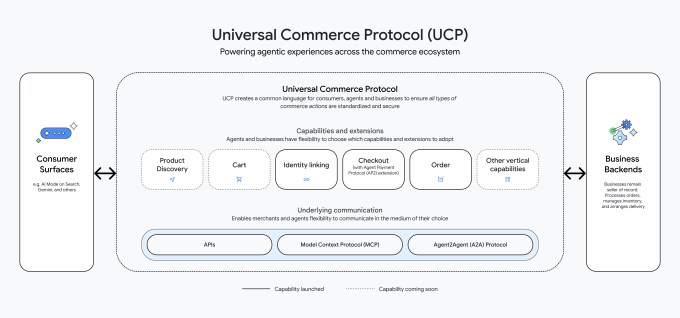
    Google today announced a new open standard, called the Universal Commerce Protocol (UCP) for AI agent-based shopping, at the National Retail Federation (NRF) conference. The standard, developed with companies like Shopify, Etsy, Wayfair, Target, and Walmart, lets agents work across different parts of customer buying processes, including discovery and post-purchase support. The core idea is that the standard could facilitate these various parts of the process instead of requiring connections with different agents. Google said that it also works with other agentic protocols, such as Agent Payments Protocol (AP2) — which Google announced last year — Agent2Agent (A2A), and Model…

  • Nuclear startups are back in vogue with small reactors, and big challenges

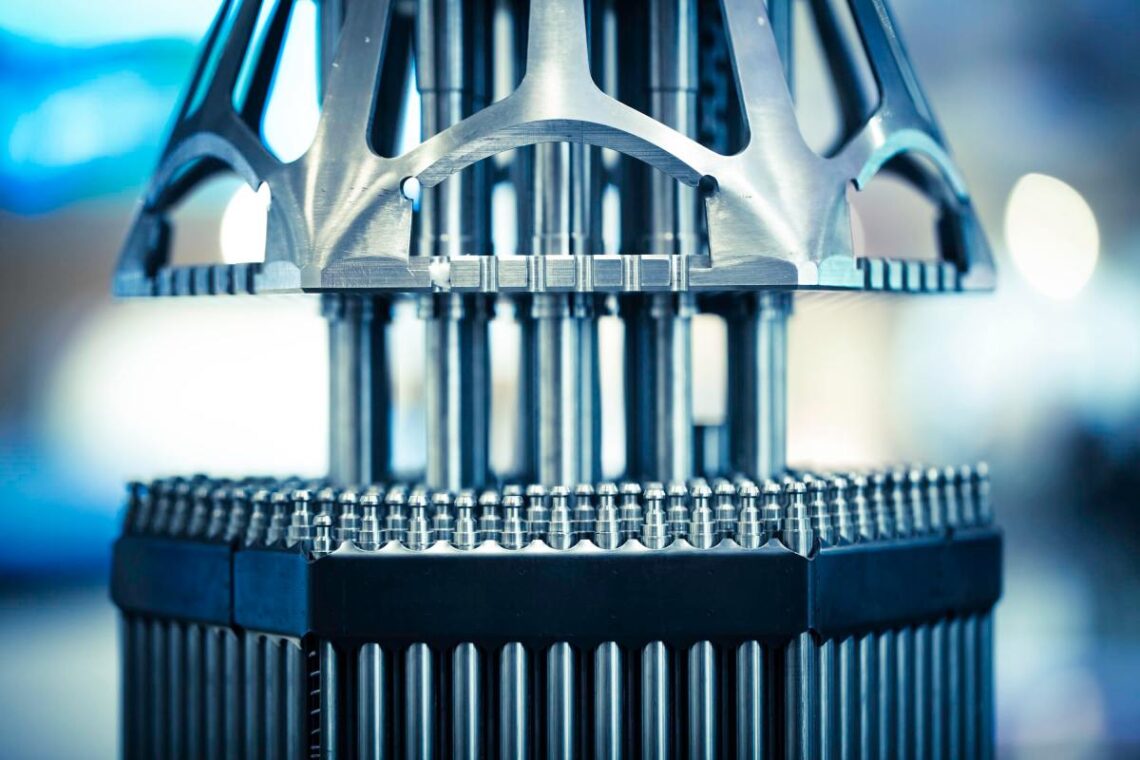
    The nuclear industry is in the mist of a renaissance. Old plants are being refurbished, and investors are showering startups with cash. In the last several weeks of 2025 alone, nuclear startups raised $1.1 billion, largely on investor optimism that smaller nuclear reactors will succeed where the broader industry has recently stumbled. Traditional nuclear reactors are massive pieces of infrastructure. The newest reactors built in the U.S. — Vogtle 3 and 4 in Georgia — contain tens of thousands of tons of concrete, are powered by fuel assemblies 14 feet tall, and generate over 1 gigawatt of electricity each. But…

  • Indonesia and Malaysia block Grok over non-consensual, sexualized deepfakes

    Officials from Indonesia and Malaysia have said they are temporarily blocking access to xAI’s chatbot Grok. These are the most aggressive moves so far from government officials responding to a flood of sexualized, AI-generated imagery — often depicting real women and minors, and sometimes depicting violence — posted by Grok in response to requests from users on the social network X. (X and xAI are part of the same company.) In a statement shared Saturday with the Guardian and other publications, Indonesia’s communications and digital minister Meutya Hafid said, “The government views the practice of non-consensual sexual deepfakes as a…

  • SpaceX gets FCC approval to launch 7,500 more Starlink satellites

    The Federal Communications Commission announced Friday that it has given SpaceX approval to launch another 7,500 of its second generation Starlink satellites, for a total of 15,000 satellites worldwide. Beyond simply allowing SpaceX to launch more satellites and expand its high-speed internet coverage, the FCC says its decision also means Starlink satellites can operate across five frequencies and to provide direct-to-cell connectivity outside the United States, along with supplemental coverage in the U.S. Reuters reports that SpaceX had requested approval for an additional 15,000 satellites, but the FCC said it would “defer authorization of the remaining 14,988 proposed Gen2 Starlink…

  • OpenAI is reportedly asking contractors to upload real work from past jobs

    OpenAI reportedly asking contractors to upload real work from past jobs OpenAI and training data company Handshake AI are asking third-party contractors to upload real work that they did in past and current jobs, according to a report in Wired. This appears to be part of a larger strategy across AI companies that are hiring contractors to generate high-quality training data in the hopes that this will eventually allow their models to automate more white-collar work. In OpenAI’s case, a company presentation reportedly asks contractors to describe tasks they’ve performed at other jobs and upload examples of “real, on-the-job work”…

  • Indonesia blocks Grok over non-consensual, sexualized deepfakes

    Indonesian officials said Saturday that they are temporarily blocking access to xAI’s chatbot Grok. This is one of the most aggressive moves so far from government officials responding to a flood of sexualized, AI-generated imagery — often depicting real women and minors, and sometimes showing assault and abuse — posted by Grok in response to requests from users on the social network X. (X and xAI are part of the same company.) In a statement shared with the Guardian and other publications, Indonesia’s communications and digital minister Meutya Hafid said, “The government views the practice of non-consensual sexual deepfakes as…

  • Google moonshot spinout SandboxAQ claims an ex-exec is attempting ‘extortion’

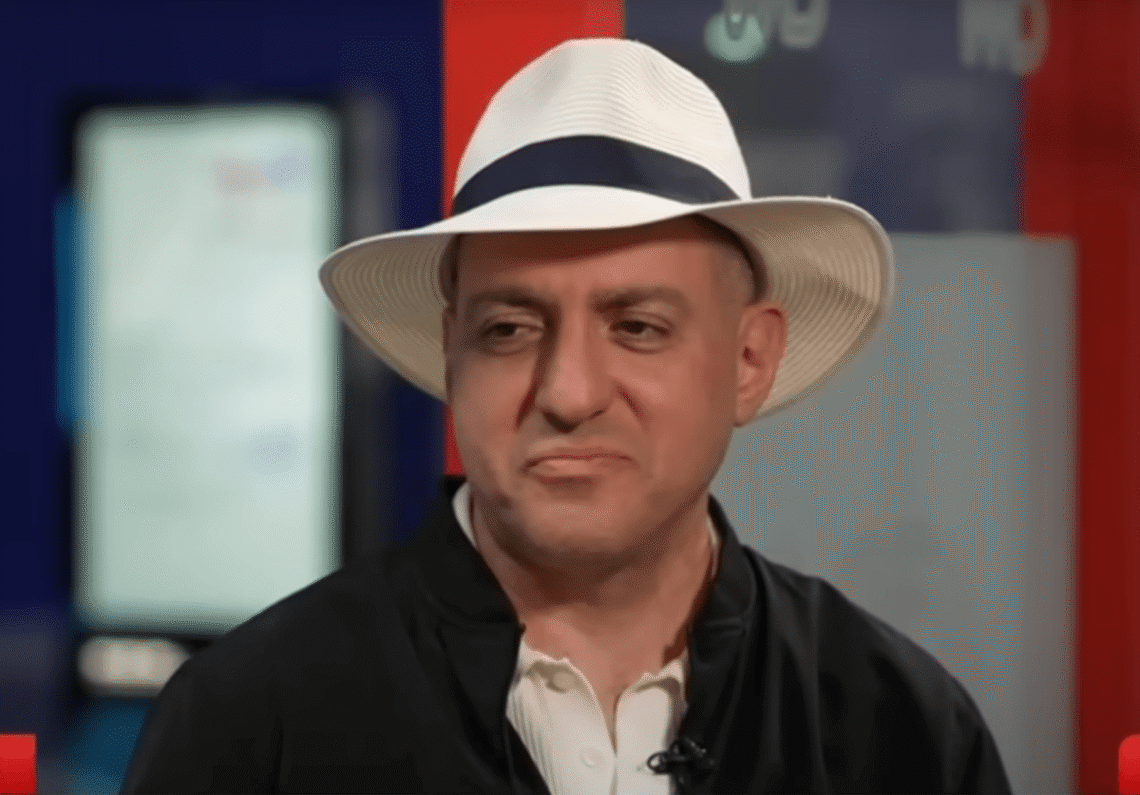
    A former SandboxAQ executive filed a wrongful termination suit last month filled with such scandalous allegations against the company’s famed CEO, Jack Hidary, that plaintiff himself redacted the most salacious details.  On Friday, the company’s lawyers filed a blistering response, calling the former employee a “serial liar” and stating his lawsuit “asserts false claims for improper and extortionate purposes.” Even the visible portions of the lawsuit — which TechCrunch has obtained — contain eyebrow-raising allegations, should a court find them valid. (A copy of the lawsuit is available here.) The case offers a rare inside look at how employee lawsuits can…

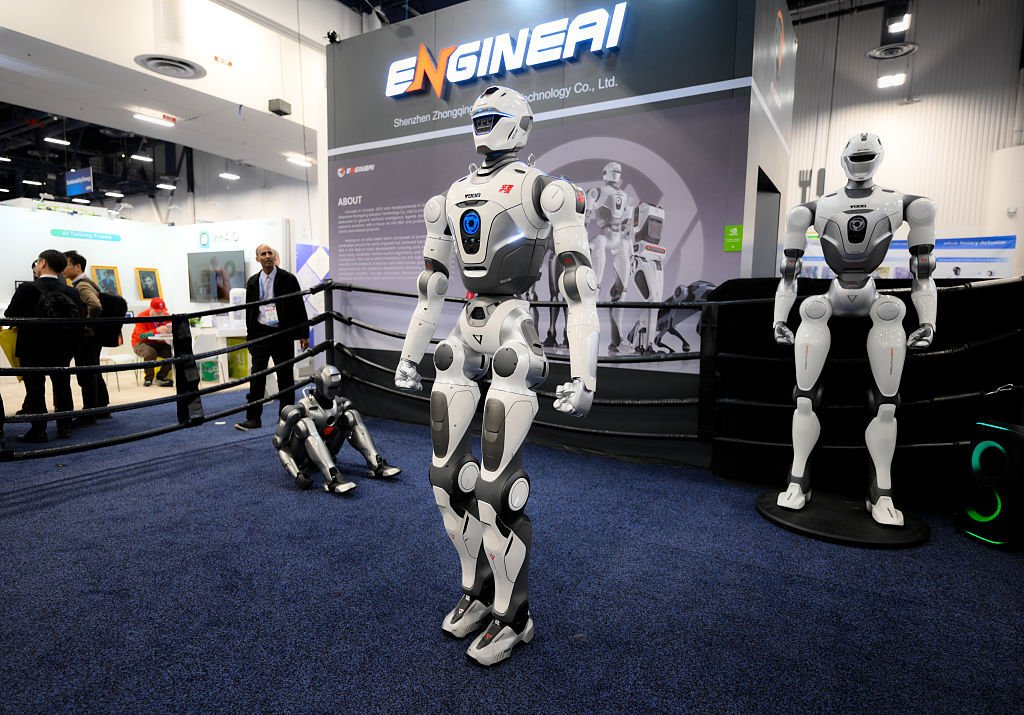
  • I met a lot of weird robots at CES — here are the most memorable

    CES has always been a robot extravaganza, and this year’s event saw the announcement of a number of important robotics developments, including the new, production-ready debut of Atlas, the humanoid from Boston Dynamics. Then there were all the robots on the showroom floor, where bots often serve as good marketing for the companies involved. If they don’t always give a totally accurate representation of where commercial deployment is at the moment, they do give visitors a peek at where it might be headed. And, of course, they sure are fun to look at. I spent a decent amount of time…

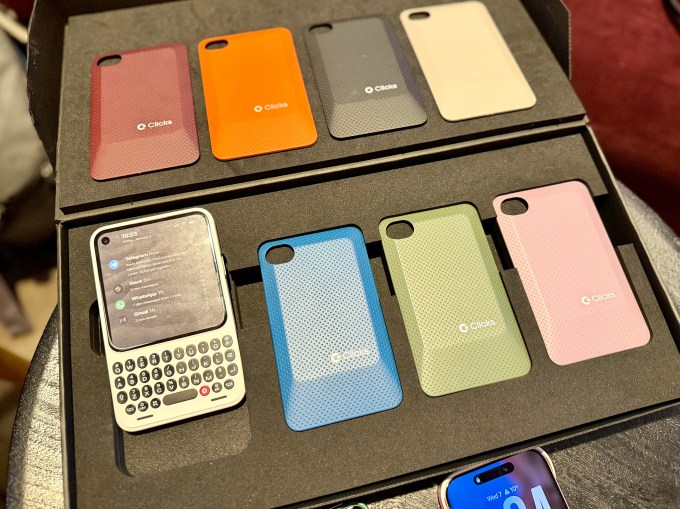
  • CES 2026: Everything revealed, from Nvidia’s debuts to AMD’s new chips to Razer’s AI oddities 

    CES 2026 is winding down in Las Vegas, as the consumer tech industry and everyone swarming around it begin their return flights home. Over the past few days, we saw a slew of announcements from mainstays like Nvidia, Sony, and AMD, along with smaller companies and startups vying for attention through the Unveiled event (CES’s showcase for new products) and across the show floor.  As has been the case for the past two years, AI was at the forefront of many companies’ messaging, though the hardware upgrades and oddities that have long defined the annual event still have their place on the show floor and in adjacent announcements. This year, physical AI was particularly prominent,…

  • Inside CES 2026’s “physical AI” takeover

    After years of chatbots and image generators, AI is finally leaving the screen. At CES 2026, that shift became impossible to ignore.  The annual tech showcase in Las Vegas was dominated by “physical AI” and robotics, from Boston Dynamic’s newly redesigned Atlas humanoid robot to AI-powered ice makers (yes, really). The companies in attendance clearly want consumers […] Source link