• The most bizarre tech announced so far at CES 2026

    While CES 2026 is full of tech giants unveiling their latest innovations, the real excitement comes from discovering unexpected, quirky gadgets that make you ask, “Who thought of this?” We’re here to spotlight the wildest products we’ve found so far at CES 2026, from an AI-powered panda that responds to your touch, to Razer’s holographic anime assistant, and plenty more weirdness that makes you do a double-take. An AI anime companion that watches you from your desk  Razer’s Project AVA, originally introduced last year as an esports AI coach, has evolved into something new: a 5.5-inch animated holographic desk companion…

  • Meta’s Manus news is getting different receptions in Washington and Beijing

    Meta’s $2 billion acquisition of AI assistant platform Manus is unsurprisingly caught in a regulatory tug-of-war — but not because of U.S. regulators. They appear assured that the deal is legitimate despite earlier misgivings about Benchmark’s investment in Manus. China’s regulators, however, are reportedly not quite as sanguine, according to the Financial Times. When Benchmark led a financing round for Manus earlier this year, the investment sparked immediate controversy. U.S. Senator John Cornyn complained about the deal on X, and the investment prompted inquiries from the U.S. Treasury Department around new rules restricting American investment in Chinese AI companies. The…

  • McKinsey and General Catalyst execs say the era of ‘learn once, work forever’ is over

    If there is one point of consensus among the CES 2026 keynote speakers, it is that AI is reshaping technology with a speed and scale unlike any previous technological revolution. In a live taping on Tuesday of the All-In podcast, co-host Jason Calacanis interviewed Bob Sternfels, Global Managing Partner of McKinsey & Company, and Hemant Taneja, CEO of General Catalyst. Their discussion focused on how AI is transforming investment strategies and the workforce. “The world has completely changed,” Taneja said about the unprecedented growth of AI companies. He noted that while it took Stripe about 12 years to reach a…

  • xAI says it raised $20B in Series E funding

    xAI, Elon Musk’s AI company behind the Grok chatbot — it also owns X — announced that it has raised $20 billion in a Series E funding round. The company wrote in a blog post that investors will include Valor Equity Partners, Fidelity, Qatar Investment Authority, and others, including Nvidia and Cisco as “strategic investors.” xAI has not disclosed if these investments come in the form of equity or debt. xAI says it has about 600 million monthly active users of X and Grok, and it will use this new funding to continue expanding its data centers and Grok models.…

  • A viral Reddit post alleging fraud from a food delivery app turned out to be AI-generated

    A Reddit user claiming to be a whistleblower from a food delivery app has been outed as a fake. The user wrote a viral post alleging that the company he worked for was exploiting its drivers and users. “You guys always suspect the algorithms are rigged against you, but the reality is actually so much more depressing than the conspiracy theories,” the supposed whistleblower wrote. He claimed to be drunk and at the library to use its public Wi-Fi, where he was typing this long screed about how the company was exploiting legal loopholes to steal drivers’ tips and wages…

  • Wearable health devices could generate a million tons of e-waste by 2050

    This week in Las Vegas, tech companies at CES 2026 are unveiling the latest wearable health devices — glucose monitors, blood pressure trackers, fitness trackers. Probably not mentioned at the show is that these gadgets might be creating a massive environmental problem. It isn’t something that tends to get much attention, but a new study from Cornell University and the University of Chicago found that by 2050, demand for health wearables could hit 2 billion units per year, or 42 times more than today. Unless we change how they’re made, these devices could generate over a million tons of electronic…

  • CES 2026: Everything revealed, from Nvidia’s debuts to AMD’s new chips to Razer’s AI oddities 

    CES 2026 is in full swing in Las Vegas, with the show floor open to the public after a packed couple of days occupied by press conferences from the likes of Nvidia, Sony, and AMD and previews from Sunday’s Unveiled event.  As has been the case for the past two years at CES, AI is at the forefront of many companies’ messaging, though the hardware upgrades and oddities that have long defined the annual event still have their place on the show floor and in adjacent announcements. We’ll be collecting the biggest reveals and surprises here, though you can still catch the spur-of-the-moment reactions and thoughts from…

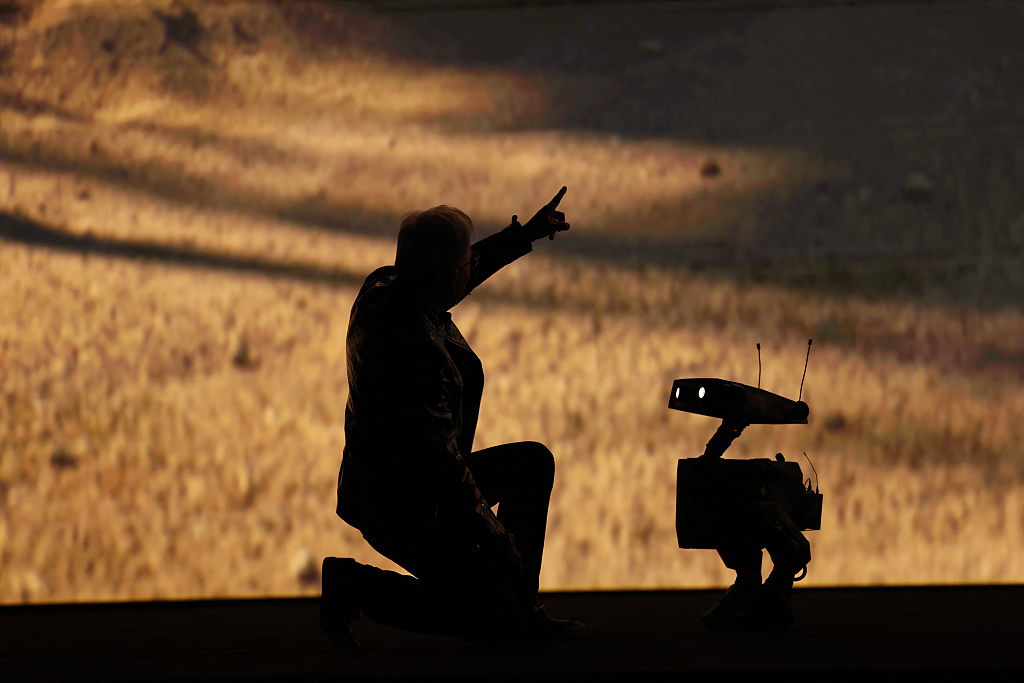
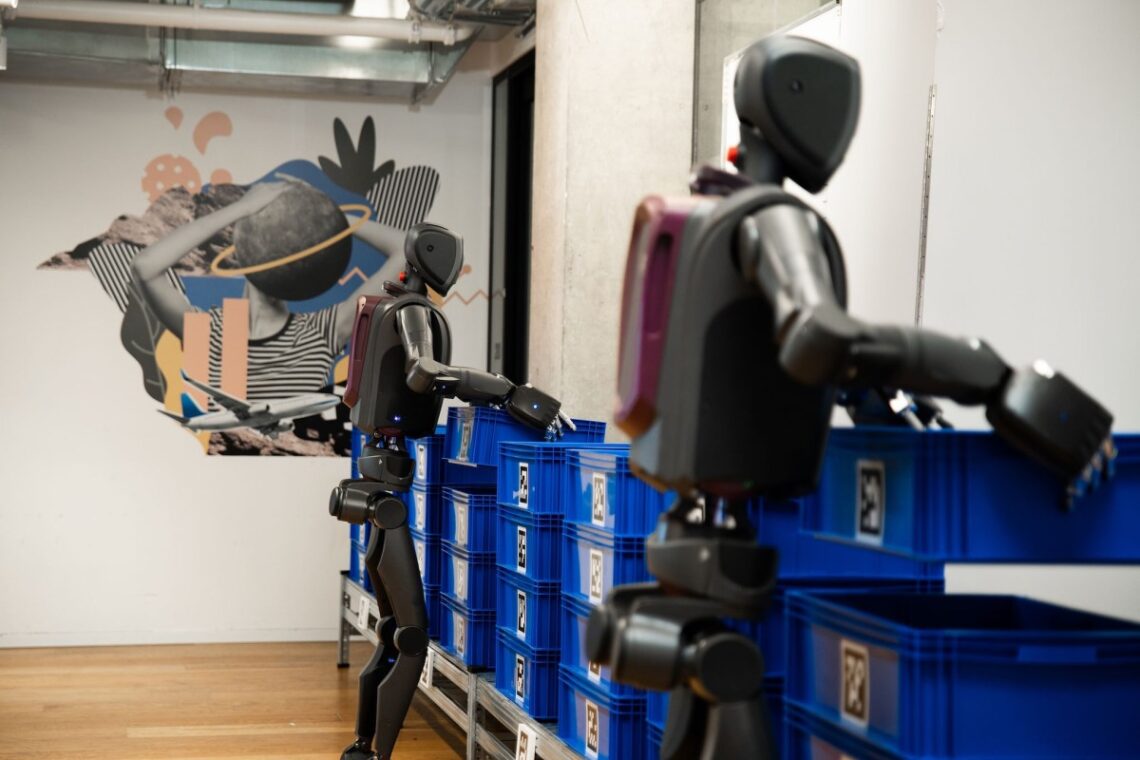
  • Mobileye acquires humanoid robot startup Mentee Robotics for $900M

    Mobileye made its name, and money, by supplying automakers with millions of computer vision chips designed to support automotive safety features and advanced driver assistance systems. The Intel subsidiary and publicly traded company later expanded to tackle autonomous driving through its chips and software. Now, co-founder and president Amnon Shashua is taking the company into what he calls Mobileye 3.0. And that means robotics and a hefty acquisition. The Israeli company announced Tuesday during CES in Las Vegas it has reached a deal to acquire Mentee Robotics — a startup co-founded by Shashua in 2022 — for $900 million. Under…

  • California lawmaker proposes a four-year ban on AI chatbots in kid’s toys

    Senator Steve Padilla (D-CA) introduced a bill on Monday that would place a four-year ban on the sale and manufacture of toys with AI chatbot capabilities for kids under 18. The goal is to give safety regulators time to develop regulations to protect children from “dangerous AI interactions.” “Chatbots and other AI tools may become integral parts of our lives in the future, but the dangers they pose now require us to take bold action to protect our children,” Senator Padilla said in a statement. “Our safety regulations around this kind of technology are in their infancy and will need…

  • Founder of spyware maker pcTattletale pleads guilty to hacking and advertising surveillance software

    The founder of a U.S.-based spyware company, whose surveillance products allowed customers to spy on the phones and computers of unsuspecting victims, pleaded guilty to federal charges linked to his long-running operation.  pcTattletale founder Bryan Fleming entered a guilty plea in a San Diego federal court on Tuesday to charges of computer hacking, the sale and advertising of surveillance software for unlawful uses, and conspiracy. The plea follows a multi-year investigation by agents with Homeland Security Investigations (HSI), a unit within U.S. Immigration and Customs Enforcement. HSI began investigating pcTattletale in mid-2021 as part of a wider probe into the…