• Despite its flaws, the value is hard to beat

    CyberGhost is the middle child of the Kape Technologies VPN portfolio, but in quality, it’s much closer to ExpressVPN than Private Internet Access. I mainly put it on my best VPN list because it’s so cheap, but I wouldn’t have done that if it didn’t earn its place in other ways — affordable crap is still crap, after all. My universal impression of CyberGhost is a VPN that’s not perfect but is always genuinely working to make itself better. It makes decisions based on what will help its users, not to set itself apart in a crowded market. This makes…

  • ChatGPT users are about to get hit with targeted ads

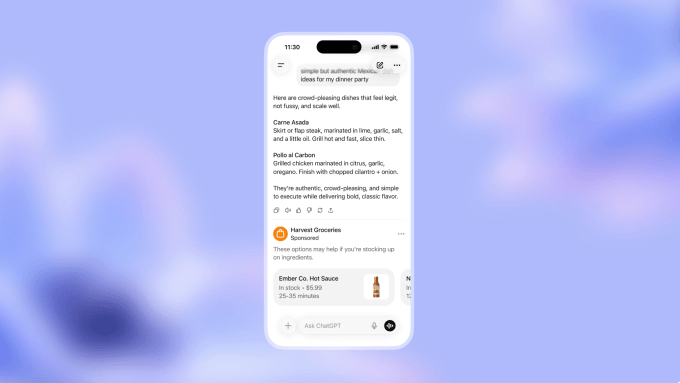
    An ongoing conversation—both within and outside of the tech community—has been about just how and when OpenAI, which is currently valued at $500 billion, will make money. Well, there’s one surefire way to do that, and that is through advertising. In the near term, that seems to be the AI giant’s plan, as it announced this week that limited ads are headed to certain ChatGPT users. In a blog post published Friday, OpenAI said that it will begin testing ads in the U.S. for both its free and Go tiers. (Go accounts, which cost $8 a month, were introduced globally…

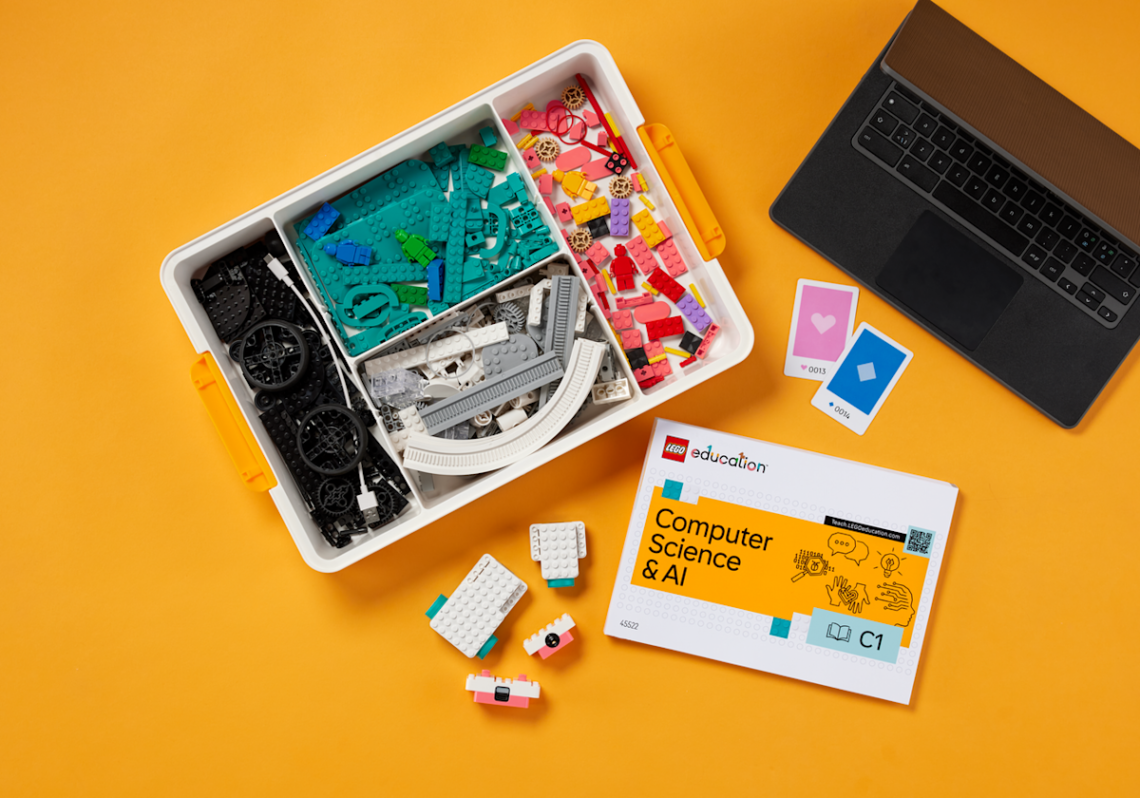
  • Lego’s latest educational kit seeks to teach AI as part of computer science, not to build a chatbot

    Last week at CES, Lego introduced its new Smart Play system, with a tech-packed Smart Brick that can recognize and interact with sets and minifigures. It was unexpected and delightful to see Lego come up with a way to modernize its bricks without the need for apps, screens or AI. So I was a little surprised this week when the Lego Education group announced its latest initiative is the Computer Science and AI Learning Solution. After all, generative AI feels like the antithesis of Lego’s creative values. But Andrew Silwinski, Lego Education’s head of product experience, was quick to defend…

  • X is down for the second time this week

    Elon Musk’s X is experiencing its second large-scale outage this week. The site and app, formerly known as Twitter, are either not loading at all or are glitching into life briefly before throwing up error messages like gang signs. The site Down Detector shows nearly 80,000 reports of X being down, starting at around 10 a.m. Eastern time, and is still down at the time of this writing. This is the second major outage at X this week, following an earlier technical issue. It comes as the platform faces criticism after Grok, xAI’s chatbot that is integrated into X, has…

  • Canada cuts tariffs on Chinese EVs as part of new deal

    Canada has agreed to drastically reduce its tariffs on imported Chinese EVs from 100 percent to 6.1 percent as part of a between the two countries. In return, China will be reducing tariffs on Canadian canola seeds from 84 percent to about 15 percent. The move is a break from the United States, which maintains a 100 percent tariff on EVs from China, effectively banning them in the country. Mexico currently tariffs the vehicles at 50 percent after last year. Under the agreement, which Canadian Prime Minister Mark Carney “preliminary,” Canada will allow up to 49,000 Chinese EVs into the…

  • How a hacking campaign targeted high-profile Gmail and WhatsApp users across the Middle East

    On Tuesday, U.K.-based Iranian activist Nariman Gharib tweeted redacted screenshots of a phishing link sent to him via a WhatsApp message. “Do not click on suspicious links,” Gharib warned. The activist, who is following the digital side of the Iranian protests from afar, said the campaign targeted people involved in Iran-related activities, such as himself. This hacking campaign comes as Iran grapples with the longest nationwide internet shutdown in its history, as anti-government protests — and violent crackdowns — rage across the country. Given that Iran and its closest adversaries are highly active in the offensive cyberspace (read: hacking people),…

  • Why did Apple choose Gemini for next-gen Siri?

    Apple’s next-gen Siri is still far off, but this week the company announced that it’ll be using Google’s Gemini AI for its new foundation models. In this episode, Devindra and Engadget’s Igor Bonifacic discuss why Apple teamed up with Google again, instead of OpenAI or Anthropic. Also, they chat about Meta’s Reality Lab layoffs, which is refocusing the company on AI hardware like its smart glasses. Subscribe! Topics Meta announces 1000+ layoffs, closes 3 VR studios as it shifts focus to AI hardware – 2:12 Gemini can now pull context from the rest of your Google apps including photos and…

  • Chinese EVs inch closer to the US as Canada slashes tariffs

    Canadian Prime Minister Mark Carney announced Friday that his country will slash its 100% import tax on Chinese EVs to just 6.1%, paving the way for companies like Geely, BYD, Xiaomi, and others to establish a second foothold in the North American automotive market. Canada is not going all-in on Chinese EVs, though. The country will initially cap annual imports at 49,000 vehicles. That cap will slowly increase to about 70,000 in around five years, according to the Associated Press. It’s a major shift that comes at a time when China is looking to boost EV exports, especially as the…

  • Get $100 off Apple’s Mac mini M4 desktop

    The holiday season is fully in the rear view mirror and real life is here to stay. But that doesn’t mean the time for gifts is over — especially ones for yourself. You can still take advantage of great January sales on some awesome tech products. Take the Apple Mac mini M4, which is down to $500 from $599. The 17 percent discount gives you 16GB of RAM and 256GB of SSD for only about $20 more than the computer’s Black Friday sale. Its beefier models are also on sale: opting for 512GB of SSD will cost you $690, down…

  • The rise of ‘micro’ apps: non-developers are writing apps instead of buying them

    It took Rebecca Yu seven days to vibe code her dining app. She was tired of the decision fatigue that comes from people in a group chat not being able to decide where to eat.  Armed with determination, Claude, and ChatGPT, Yu decided to just build a dining app from scratch — one that would recommend restaurants to her and her friends based on their shared interests.    “Once vibe-coding apps emerged, I started hearing about people with no tech backgrounds successfully building their own apps,” she told TechCrunch. “When I had a week off before school started, I decided it…