• Google removes AI Overviews for certain medical queries

    Following an investigation by the Guardian that found Google AI Overviews offering misleading information in response to certain health-related queries, the company appears to have removed the AI Overviews for some of those queries. For example, the Guardian initially reported that when users asked “what is the normal range for liver blood tests,” they would be presented with numbers that did not account for factors such as nationality, sex, ethnicity, or age, potentially leading them to think their results were healthy when they were not. Now, the Guardian says AI Overviews have been removed from the results for “what is…
  • Google announces a new protocol to facilitate commerce using AI agents

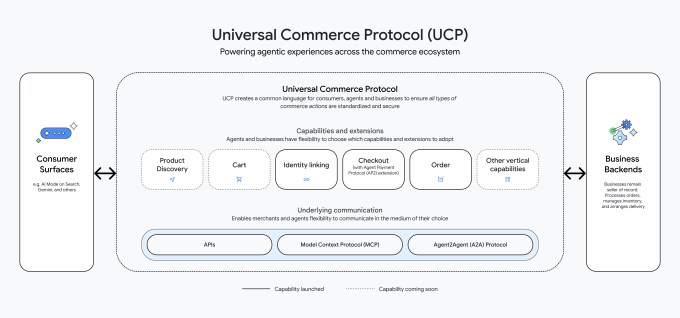
    Google today announced a new open standard, called the Universal Commerce Protocol (UCP) for AI agent-based shopping, at the National Retail Federation (NRF) conference. The standard, developed with companies like Shopify, Etsy, Wayfair, Target, and Walmart, lets agents work across different parts of customer buying processes, including discovery and post-purchase support. The core idea is that the standard could facilitate these various parts of the process instead of requiring connections with different agents. Google said that it also works with other agentic protocols, such as Agent Payments Protocol (AP2) — which Google announced last year — Agent2Agent (A2A), and Model…

  • Instagram says accounts ‘are secure’ after wave of suspicious password reset requests

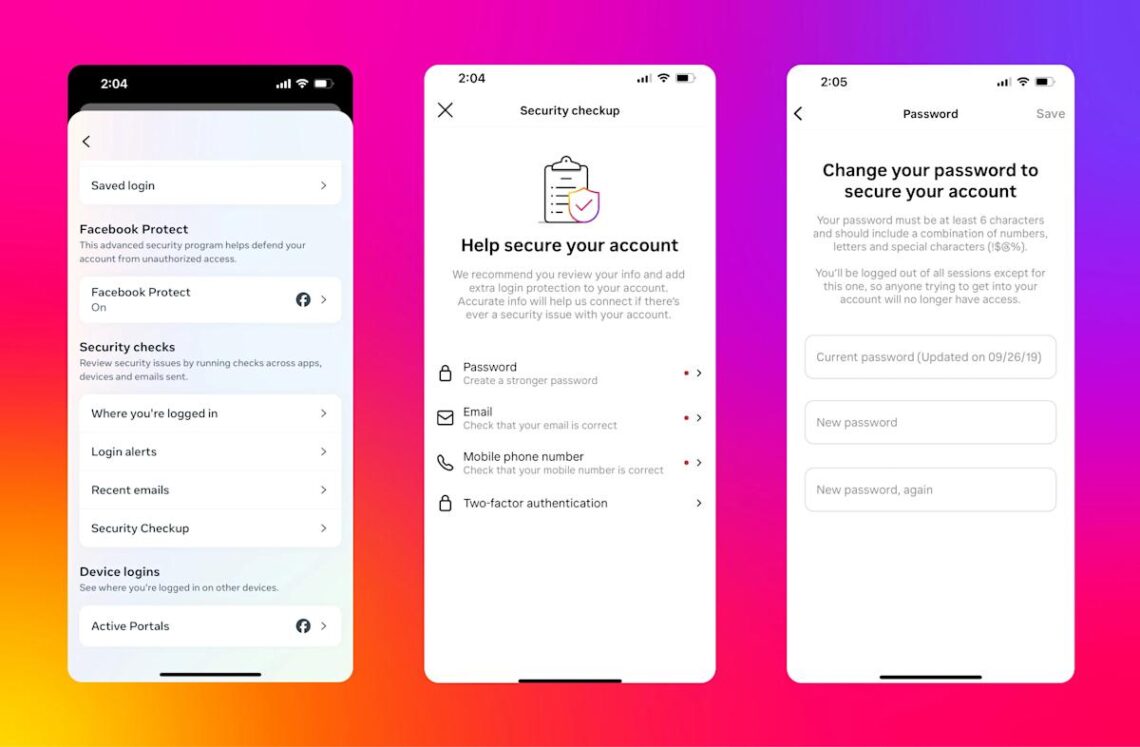
    If you received a bunch of password reset requests from Instagram recently, you’re not alone. Malwarebytes, an antivirus software company, initially reported that there was a data breach revealing the “sensitive information” of 17.5 million Instagram users. Malwarebytes added that the leak included Instagram usernames, physical addresses, phone numbers, email addresses and more. However, Instagram said there was no breach and that user accounts were “secure.” In Malwarebytes post, the company added that the “data is available for sale on the dark web and can be abused by cybercriminals.” Malwarebytes noted in an email to its customers that it discovered…

  • Nuclear startups are back in vogue with small reactors, and big challenges

    The nuclear industry is in the mist of a renaissance. Old plants are being refurbished, and investors are showering startups with cash. In the last several weeks of 2025 alone, nuclear startups raised $1.1 billion, largely on investor optimism that smaller nuclear reactors will succeed where the broader industry has recently stumbled. Traditional nuclear reactors are massive pieces of infrastructure. The newest reactors built in the U.S. — Vogtle 3 and 4 in Georgia — contain tens of thousands of tons of concrete, are powered by fuel assemblies 14 feet tall, and generate over 1 gigawatt of electricity each. But…

  • Indonesia and Malaysia block Grok over non-consensual, sexualized deepfakes

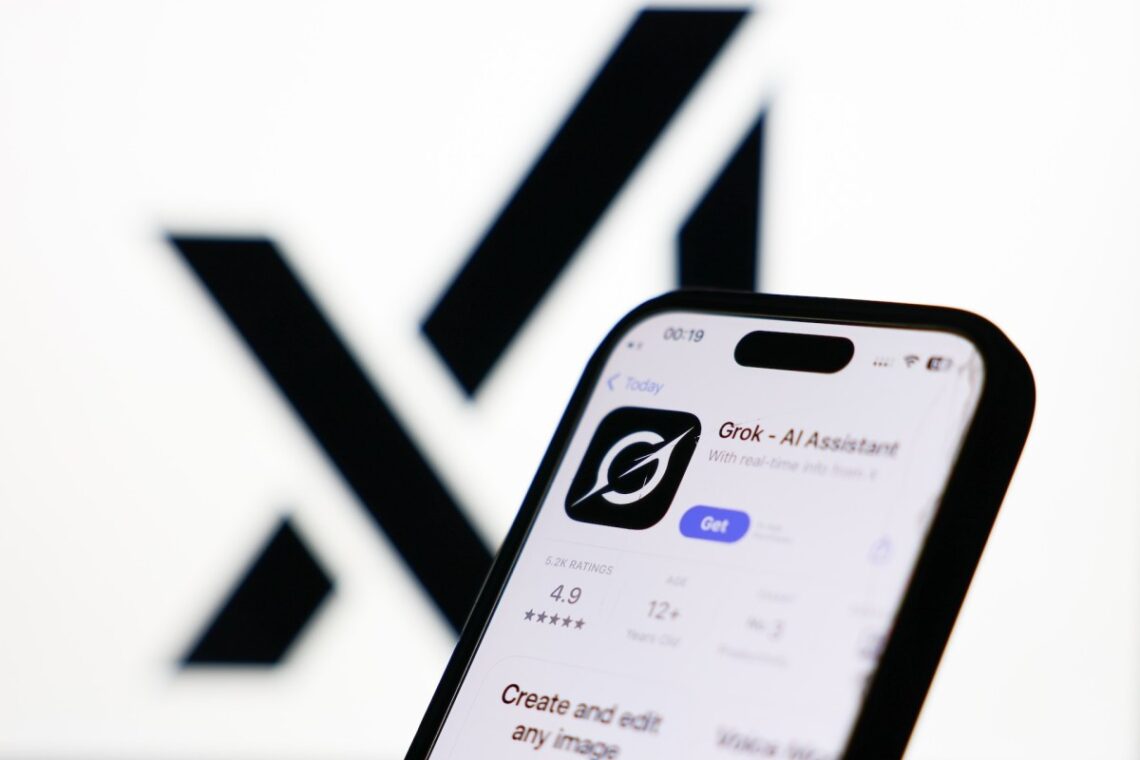
    Officials from Indonesia and Malaysia have said they are temporarily blocking access to xAI’s chatbot Grok. These are the most aggressive moves so far from government officials responding to a flood of sexualized, AI-generated imagery — often depicting real women and minors, and sometimes depicting violence — posted by Grok in response to requests from users on the social network X. (X and xAI are part of the same company.) In a statement shared Saturday with the Guardian and other publications, Indonesia’s communications and digital minister Meutya Hafid said, “The government views the practice of non-consensual sexual deepfakes as a…

  • Spotify is no longer running ads for ICE

    There are no recruitment ads for Immigration and Customs Enforcement (ICE) running on Spotify at the moment, the streaming service has told Variety. A spokesperson has confirmed the news after an ICE agent fatally shot Renee Good in Minneapolis, but they also clarified that the ads stopped running in late 2025. “The advertisements mentioned were part of a US government recruitment campaign that ran across all major media and platforms,” they explained. Spotify caught flak back in October for playing ICE ads, asking people to “join the mission to protect America,” in between songs for users on the ad-supported plan.…

  • How to change location with a VPN

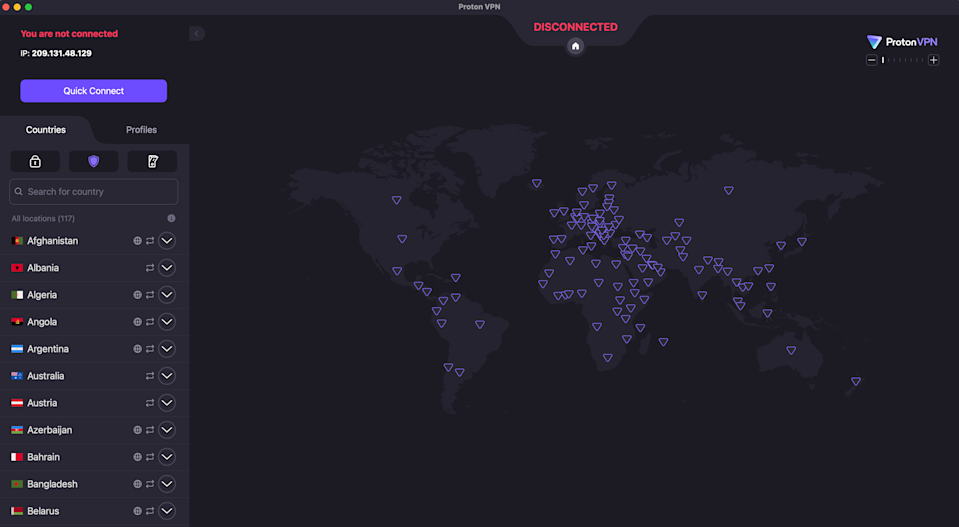
    Chances are that you’re here because you’ve heard a virtual private network (VPN) can change your virtual location, and want to know what that means. If you know already, head over to my best VPN list to learn which services I recommend for changing your location. But if you’re clueless, read on. Whenever any device connects to the internet — whether it’s a laptop, a phone or a smart Lego brick — it’s assigned a unique IP address that other devices can use to identify it. Think of the name you give the barista at a coffee shop, except instead…

  • Nissan Z facelift unveiled in Japan with more retro elements

    With little fanfare, the Nissan Z — known as the Fairlady Z in its homeland — has been revealed at the 2026 Tokyo Auto Salon. Externally, the major components of the facelift are the new front bumper, alloy wheels, and the Unryu Green hero paint option. The new bumper dispenses with the current car’s confronting slab-like rectangular grille opening in favour a wider design broken up by a body colour bar. The bumper itself is more sculpted and more cleanly continues the creases established by the bonnet. It’s not only a more cohesive design, but it decreases front lift by…

  • The CES companies hoping your brain is the next big thing in computing

    At every CES I’ve ever been to, there’s been one or two gadgets promising to boost your mental health. In recent years, the number of companies making forays into this space has grown, and will likely continue to do so in the future. Could it be, much like the number of people wearing heart-monitoring wearables today, everyone will be strapping an EEG to their skulls a decade or so down the line? It’s more likely than you think, so it’s worth asking what these devices are good for, what benefit they could bring, and where does the science end and…

  • Elon Musk says X’s new algorithm will be made open source next week

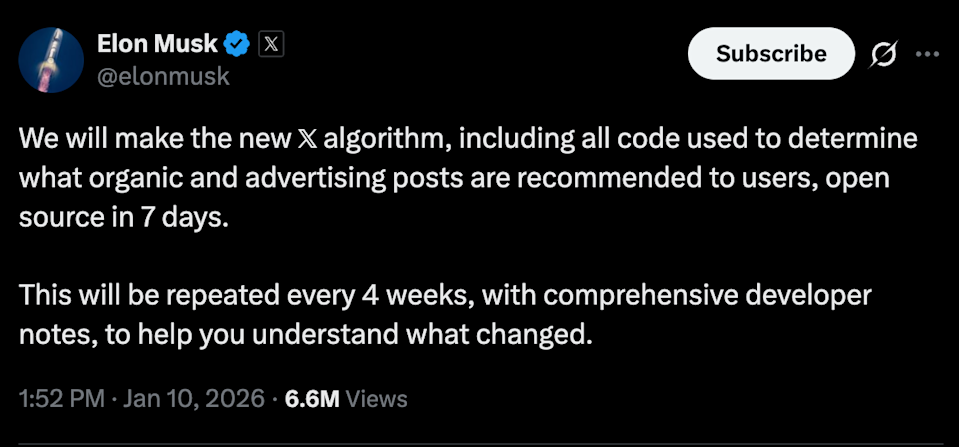
    X may soon provide more insight into how its algorithm works. On Saturday, Elon Musk posted on the platform to say that the company “will make the new X algorithm, including all code used to determine what organic and advertising posts are recommended to users, open source in 7 days.” X’s recommendation algorithm has been the subject of investigations by France and the European Commission, the latter of which recently extended through 2026 a retention order that it sent to the company at the beginning of last year. And scrutiny into the platform, along with demands for accountability, have only…