

Jim Farley, CEO of Ford, is doubling down on the company’s strategy of utes, vans and emotional vehicles, as well as its policy of partnerships over acquisitions.
In an interview with La Nacion at the automaker’s plant in Pacheco in Argentina, Mr Farley was asked about his childhood in Buenos Aires, where he was born and lived until nine as his dad ran the local Citibank outpost.
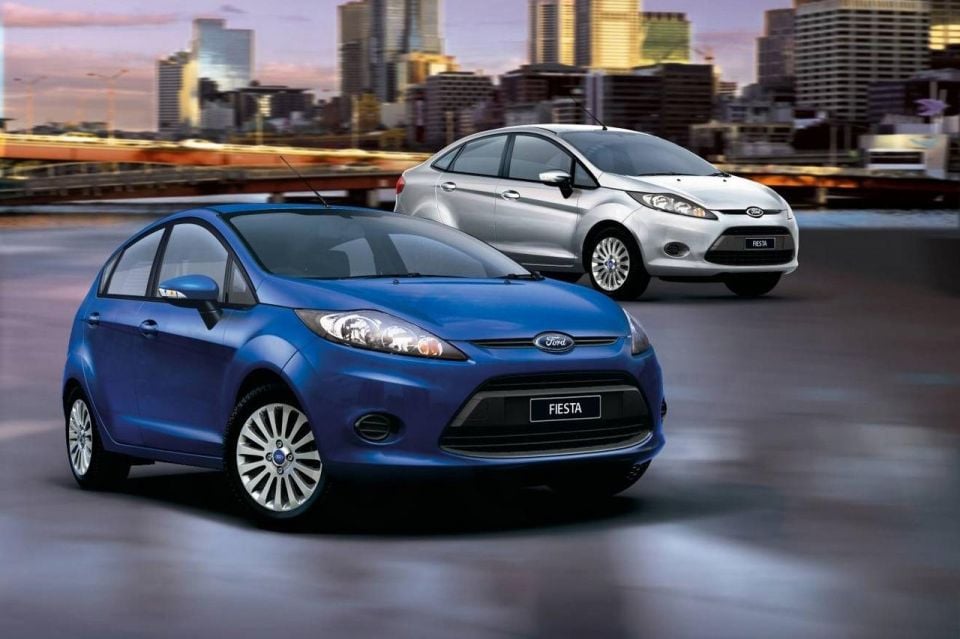
He also talked about his 17 years at Toyota, where he helped to launch the original Yaris in Europe. After joining Ford in 2007, he agitated for Ford to launch the European-developed Fiesta into the US city car segment long dominated by Japanese and South Korean vehicles.
CarExpert can save you thousands on a new car. Click here to get a great deal.
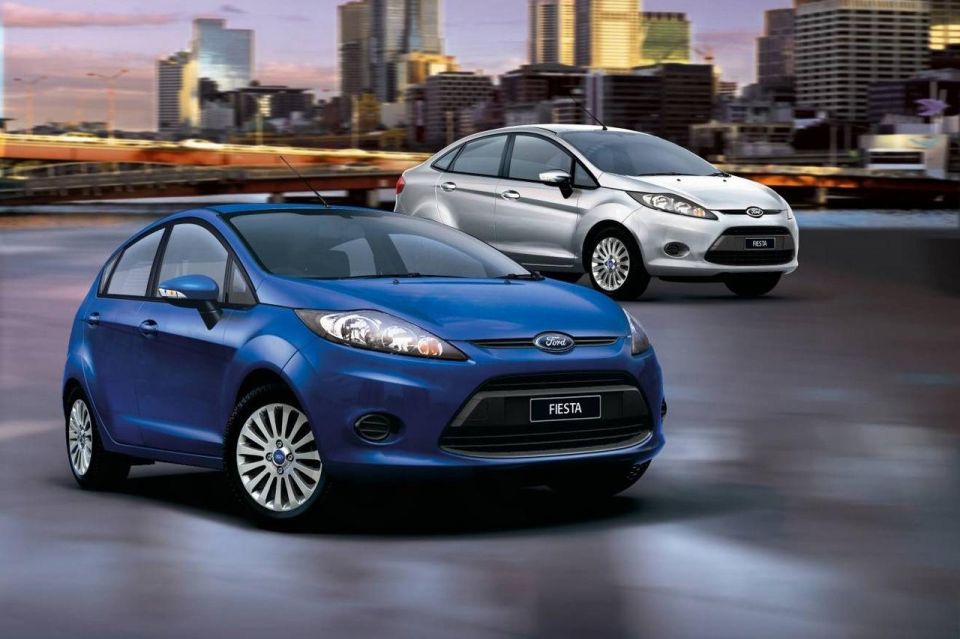
Mr Farley described it as a “spiritual moment for Ford to be a full-line manufacturer, but I learned so much from it because maybe that was a mistake” because Ford’s “costs were not competitive with Toyota and Hyundai/Kia”.
As in Latin America and many other parts of the world, he said Ford wanted to be the “Model T company” with a very “democratic” lineup, but this made the business “almost impossible”.
This ultimately led to the company to focus on work utes and vans, off-roaders, and emotional vehicles.
The process for this started in North America where Focus, Fiesta, Fusion and, now, Escape were phased out in favour of Bronco, Bronco Sport and Ranger, as well as the evergreen F-Series, Transit and Mustang.
In Australia, since local production of the Falcon ended, the company has focussed on largely on Ranger, Everest, Transit and Mustang, with the Fiesta, Focus, Mondeo, Puma, Escape and Endura all being progressively withdrawn from the market.
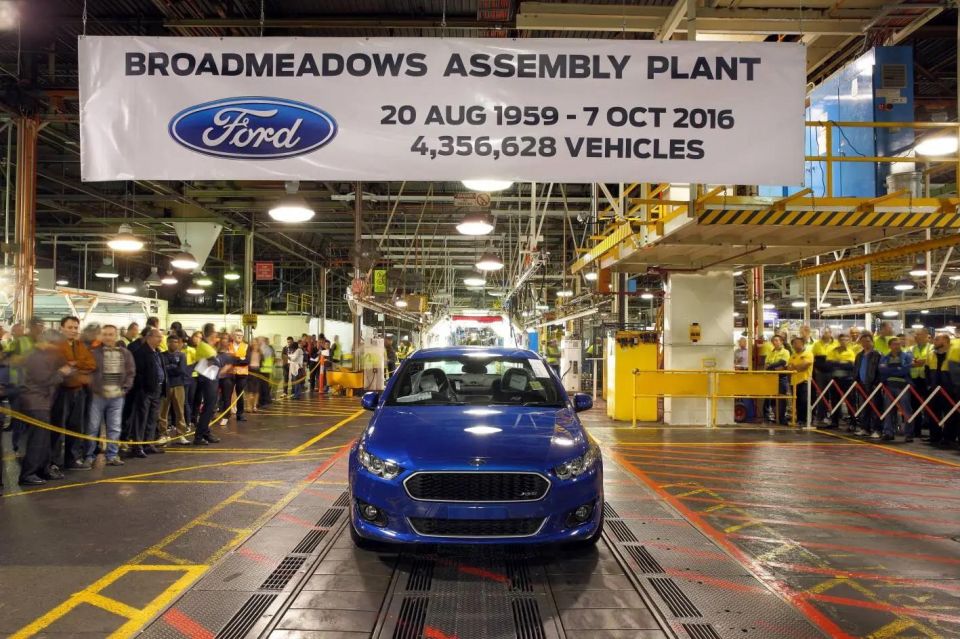
Similarly in South America and Europe, the company has closed factories and narrowed its product range to utes, vans and SUVs/off-roaders. Mr Farley described this process as “very difficult” and said it caused “a lot of pain”.
The CEO claims “we don’t want to build cars for everyone, we want to make beautiful off-road machines and work vehicles”.
With the rise of Chinese automakers, and the Chinese government’s strategy to “dominate the industry globally by moving to EV and intelligent vehicles before everyone else”, he believes it is a big advantage to “move fast”.
This lead to the company quickly investing in the F-150 Lightning electric ute and the Mustang Mach-E SUV, as well as purchasing and later closing down Argo AI, a startup developing self-driving vehicles.
He admitted that although “we made mistakes”, the company has learnt a lot from its first generation of EVs. When Ford launches its second generation of EVs in two years time – some based on the affordable Universal EV Platform announced in August – its competitors will be at least three years behind.
When asked about potential mergers and acquisitions, Mr Farley said “we don’t want to buy to grow”, but that “partnerships for IP, for affordability are very key for us”.
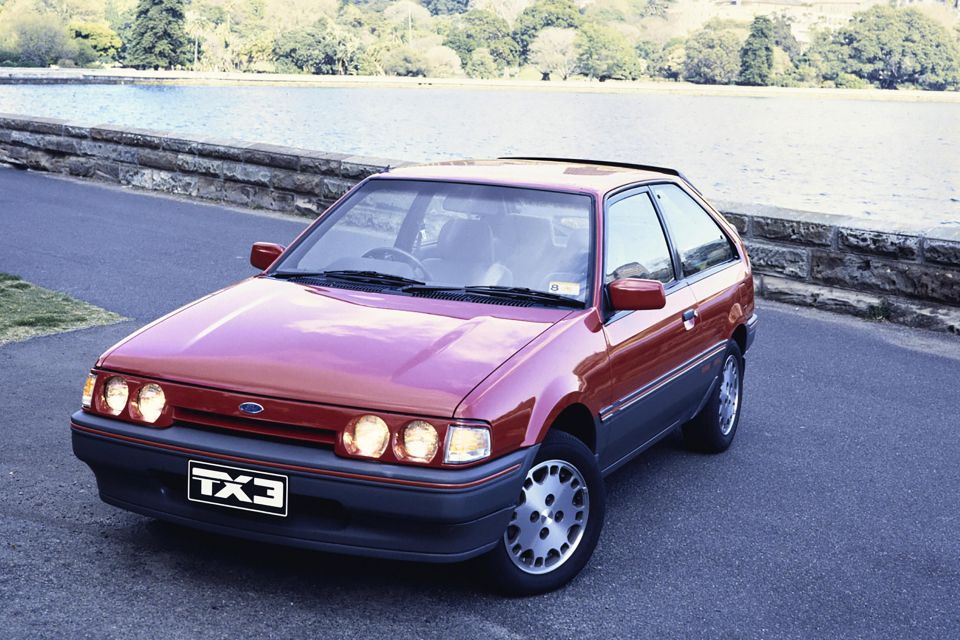
“There are plenty of Chinese companies we could buy, ” he continued. “But what we found in the past when bought Mazda and other companies in South Korea, we never really learned from them. I think we’ve learned as a company that it’s better to change as a company, rather than delegate your future to someone you buy.”
The company has a wide-ranging relationship with Volkswagen, with the two companies working together to develop and manufacture the Caddy/Transit Connect, Transit Custom/Transporter, and Ranger/Amarok. Ford also uses Volkswagen’s MEB EV architecture for the Europe-only Explorer and Capri SUVs.
Earlier this month, Ford and Renault signed a deal for the French company to produce two affordable EVs for the Blue Oval, likely based on the Renault 5 E-Tech and 4 E-Tech. The two automakers will also work together on a van.